
Amba Sayal-Bennett | Vark
14 October - 14 November
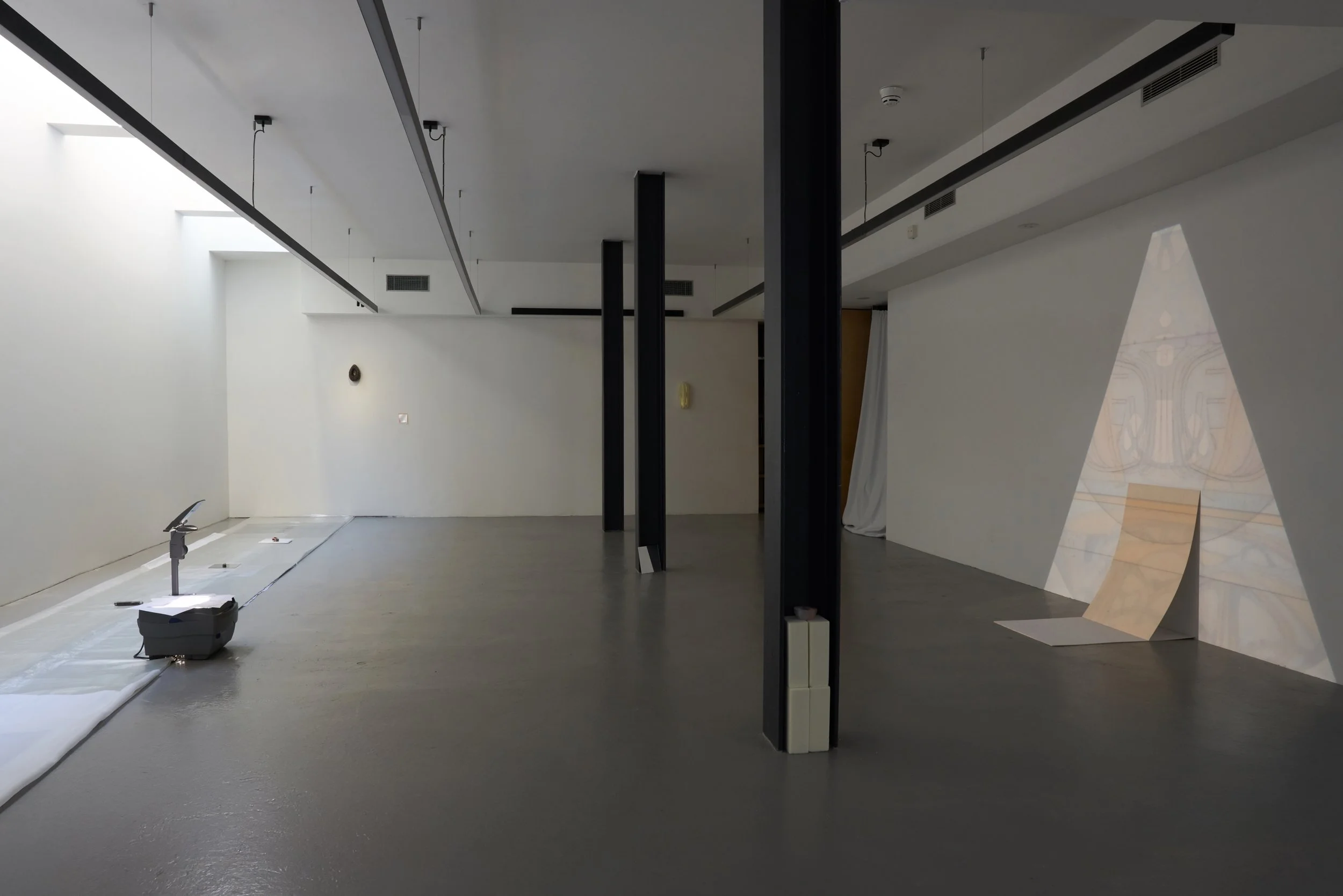
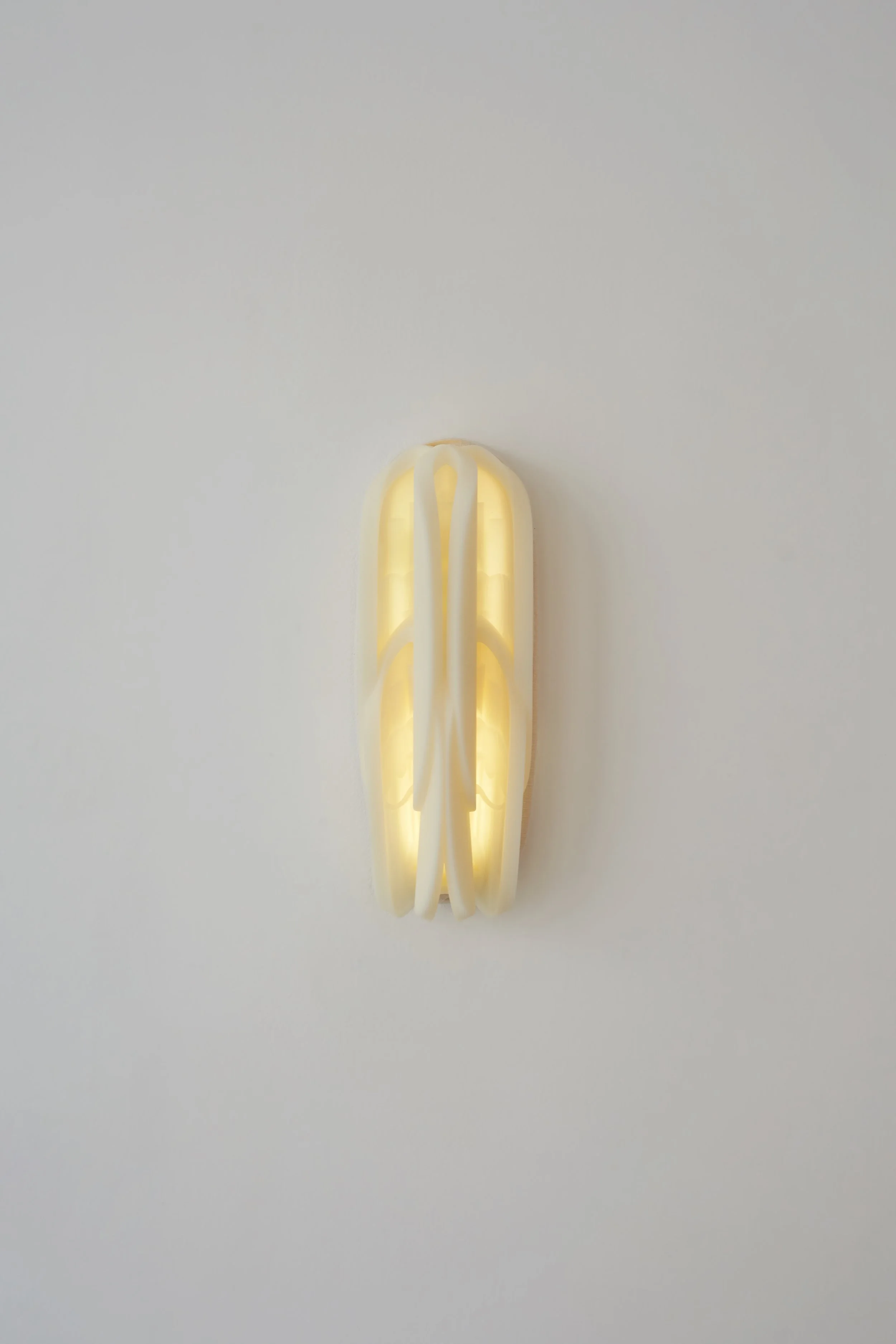
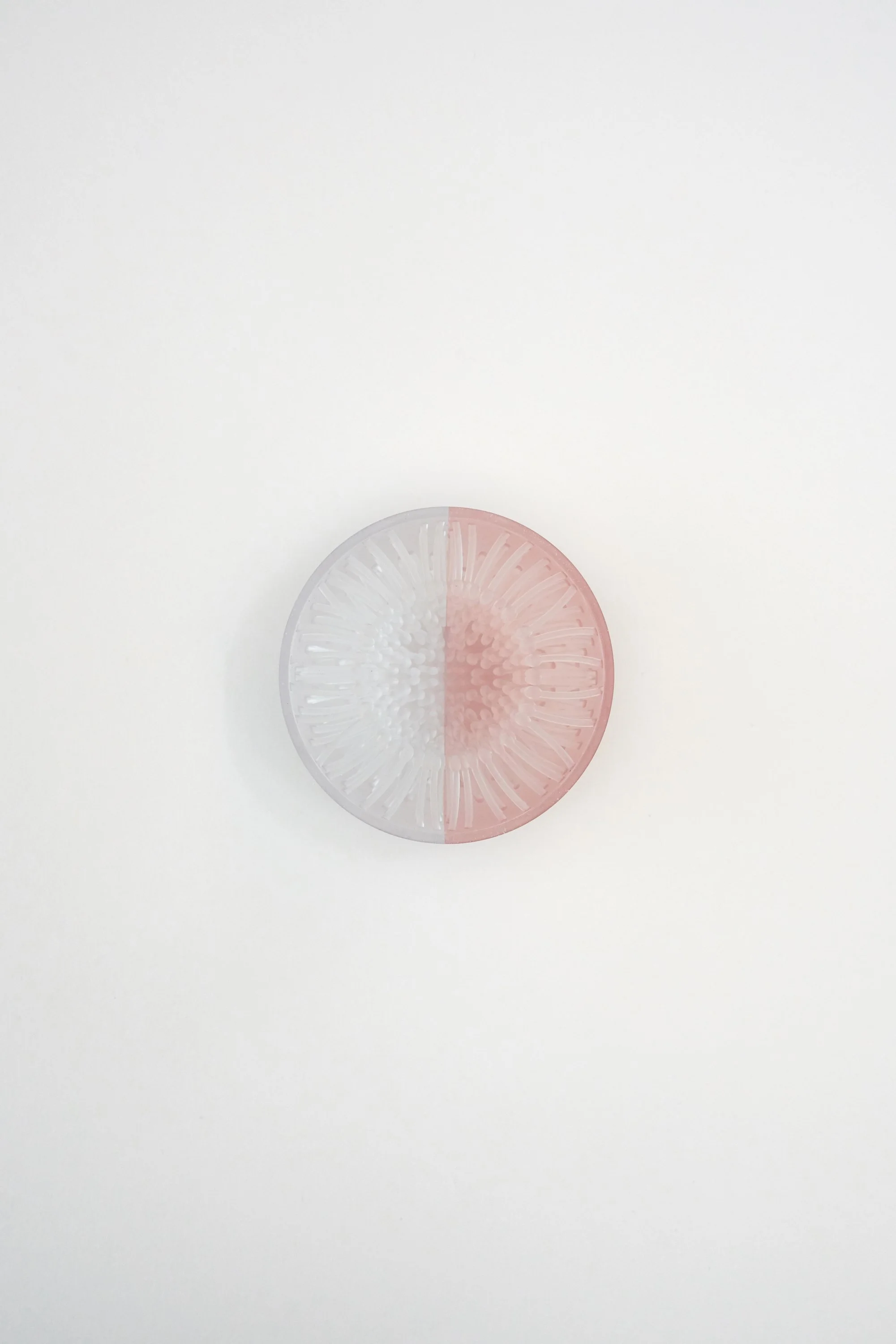
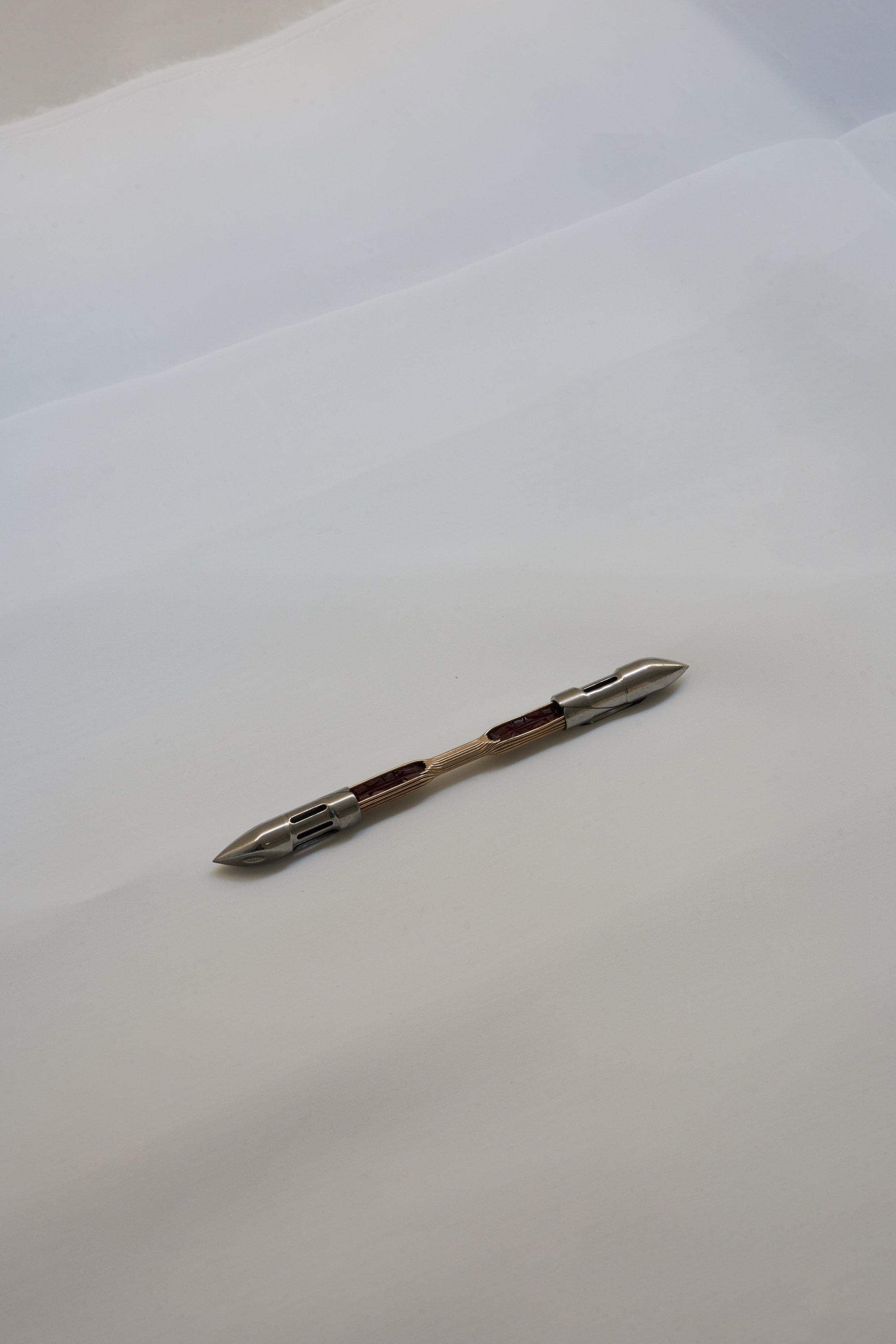
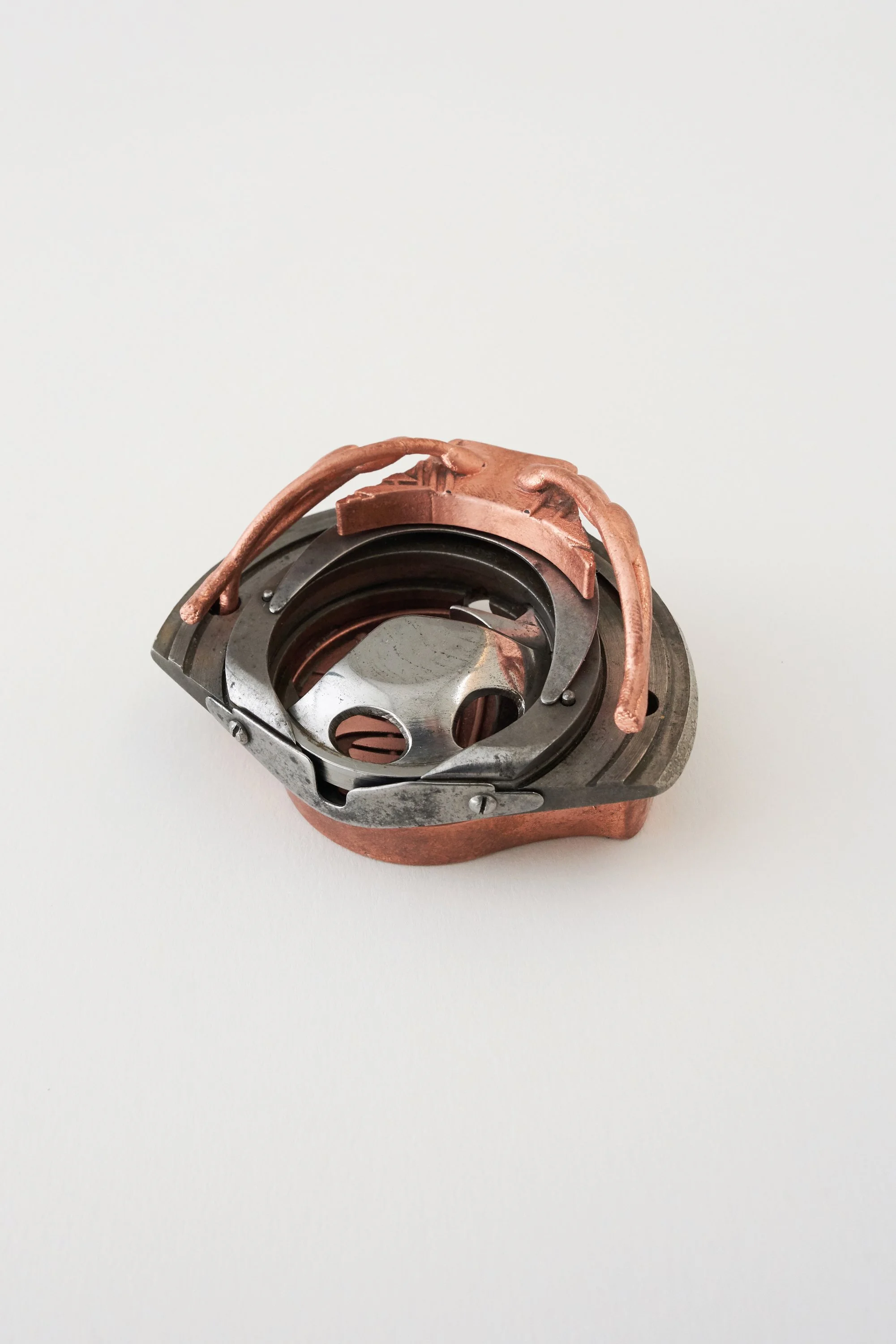
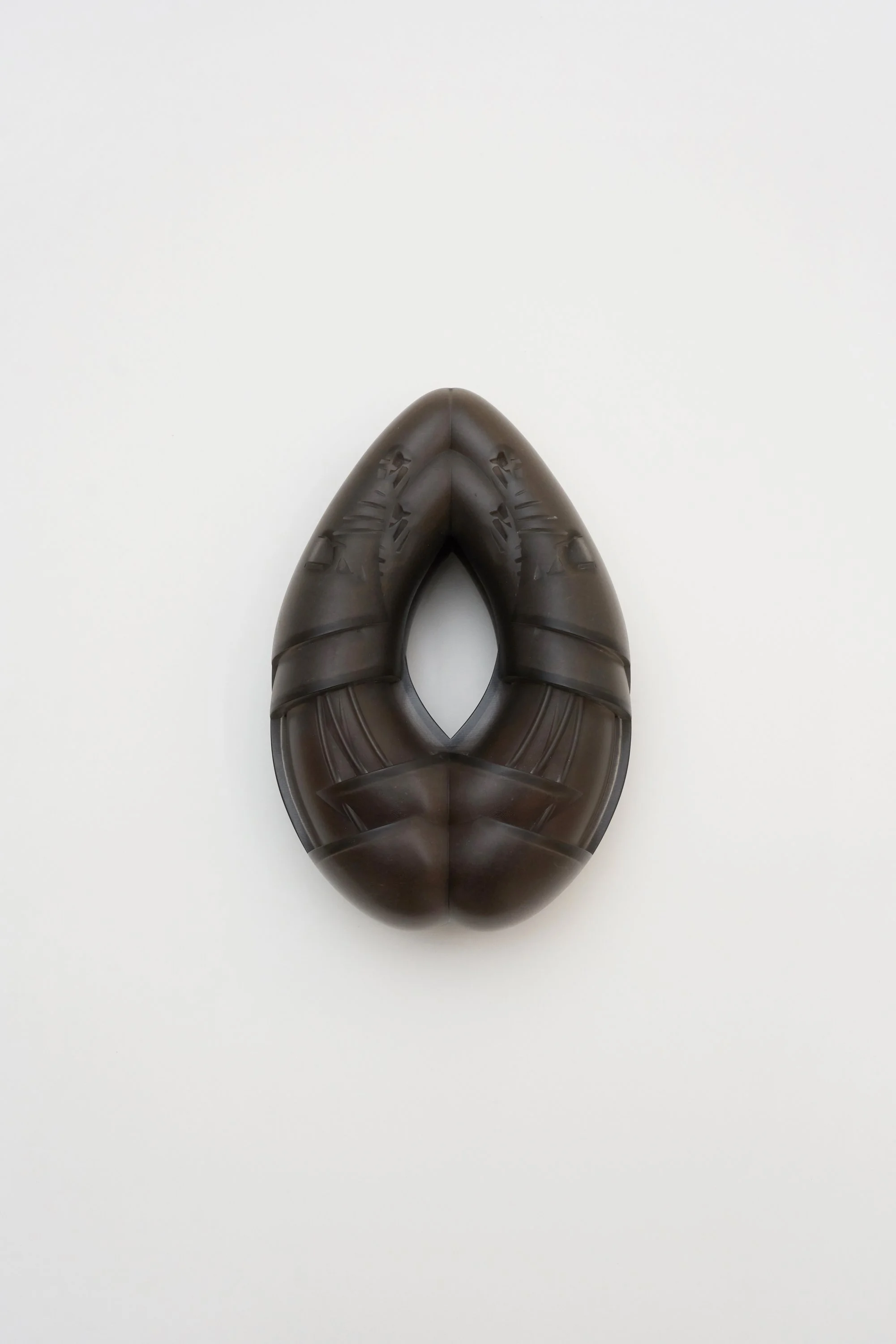
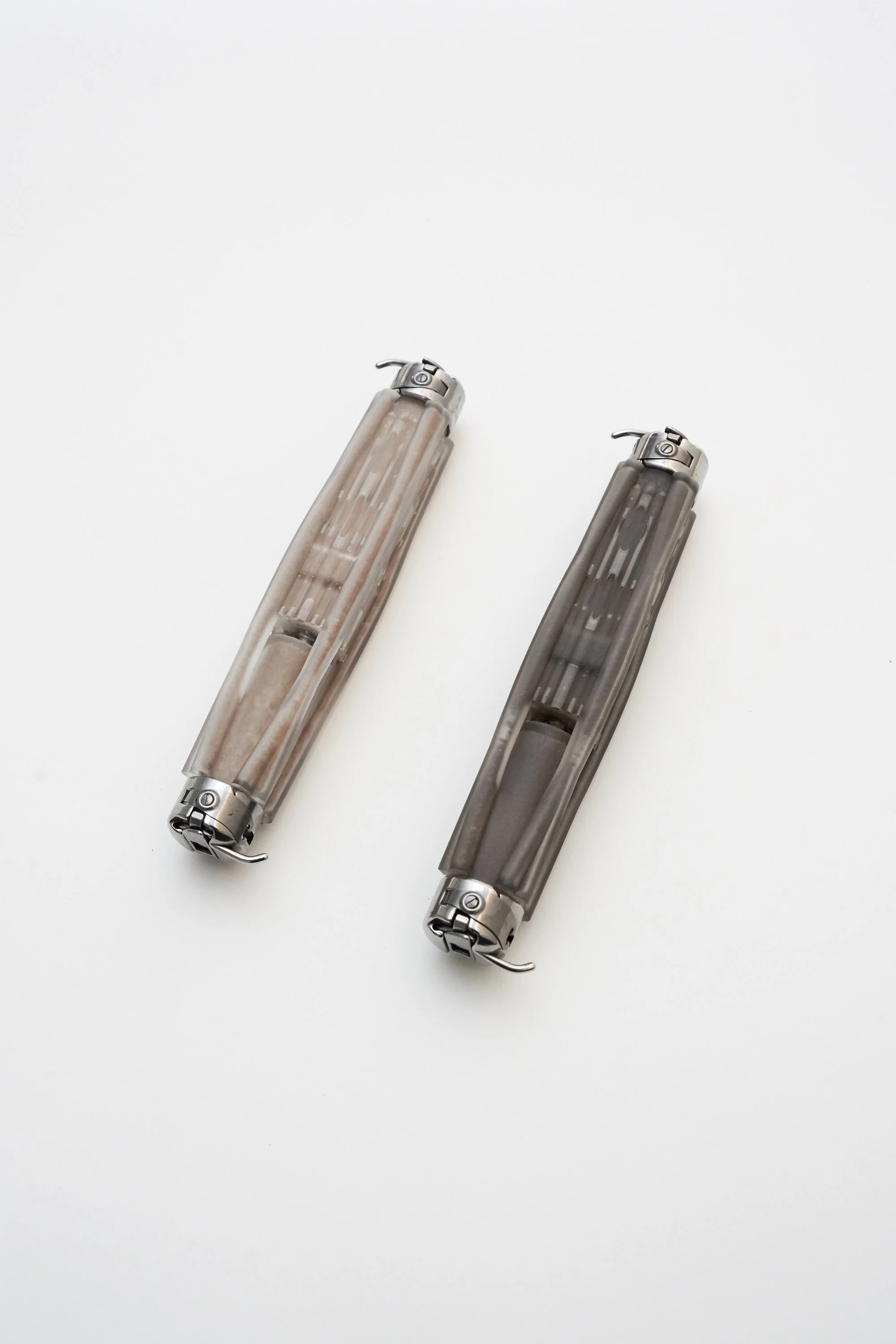
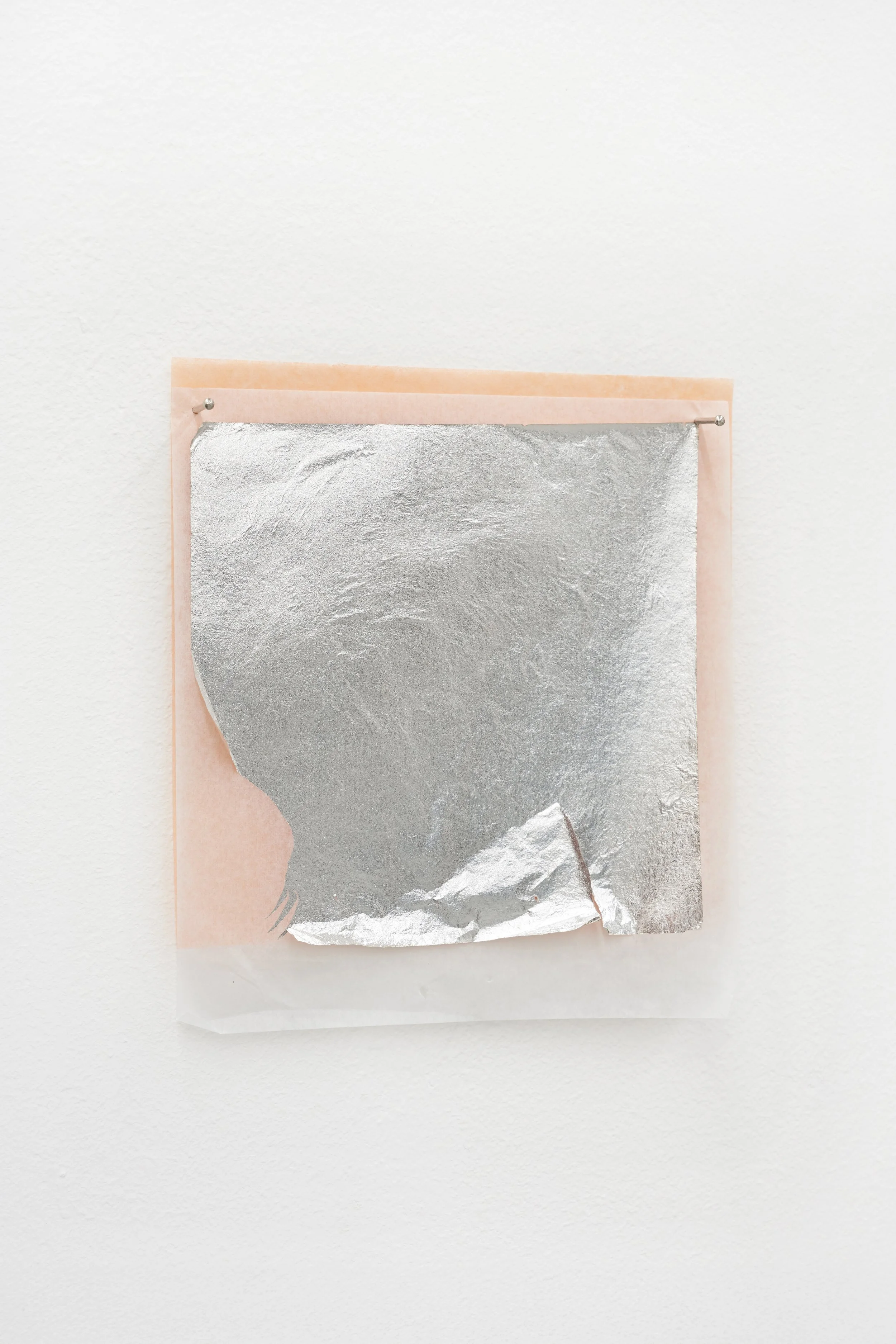
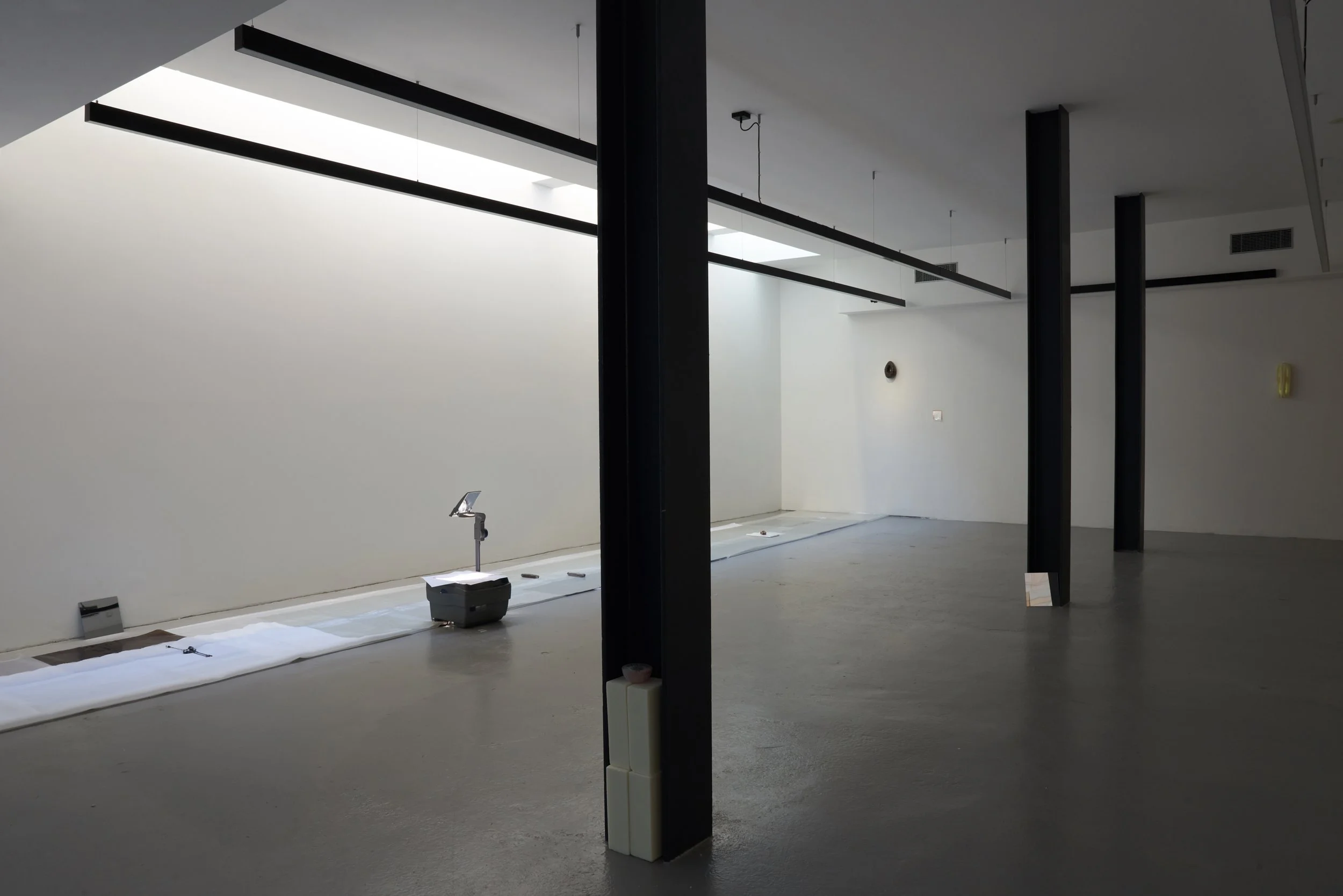
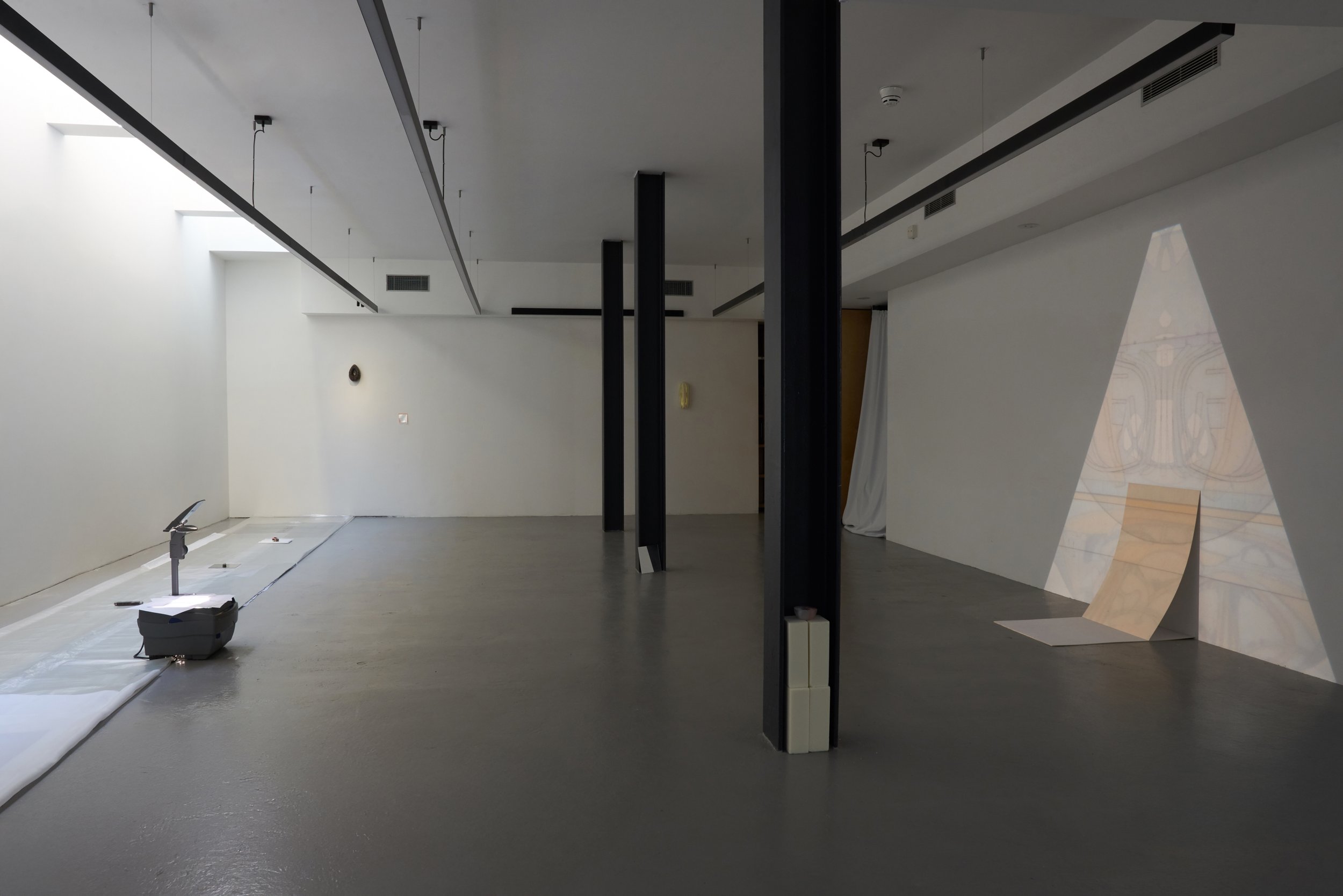
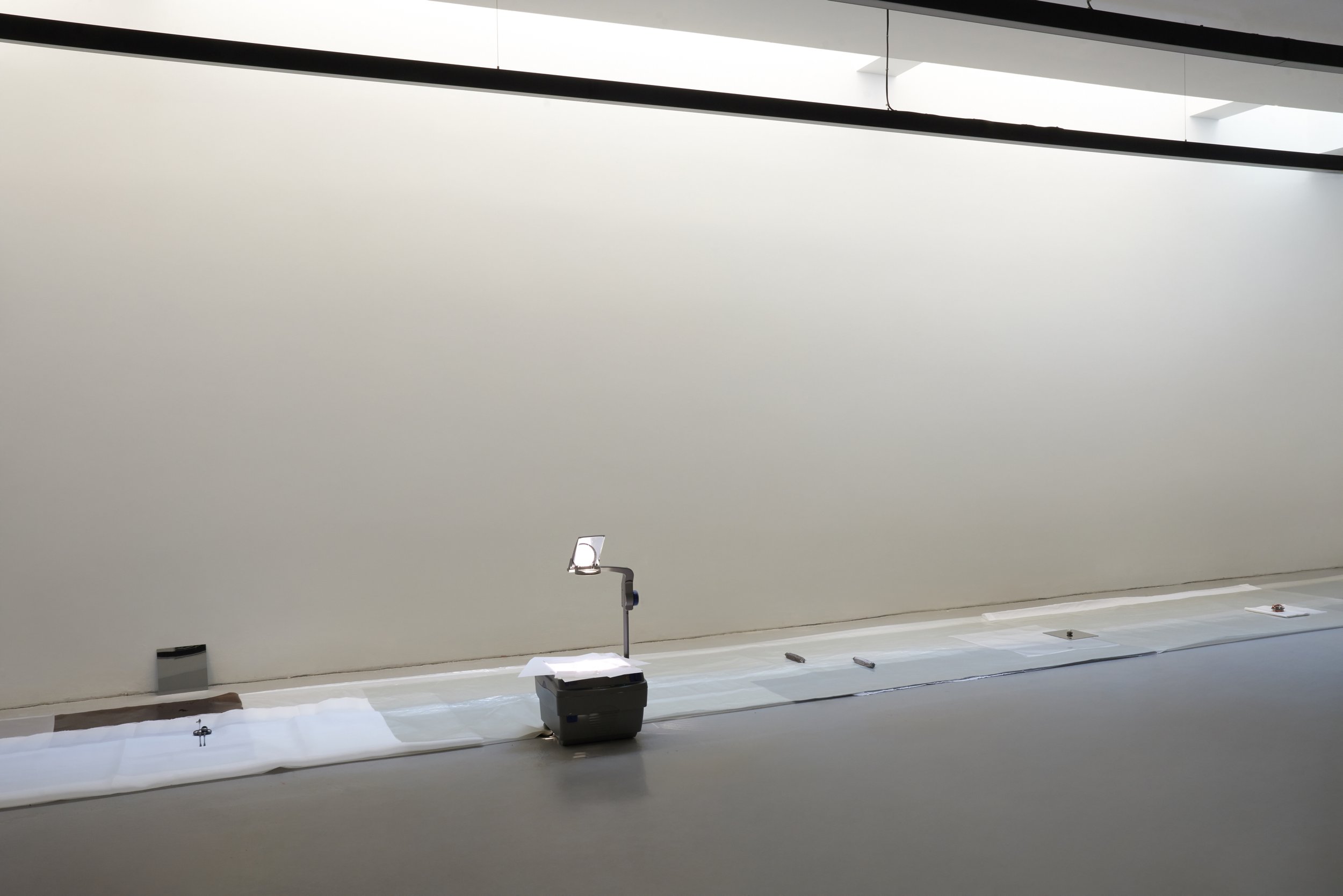
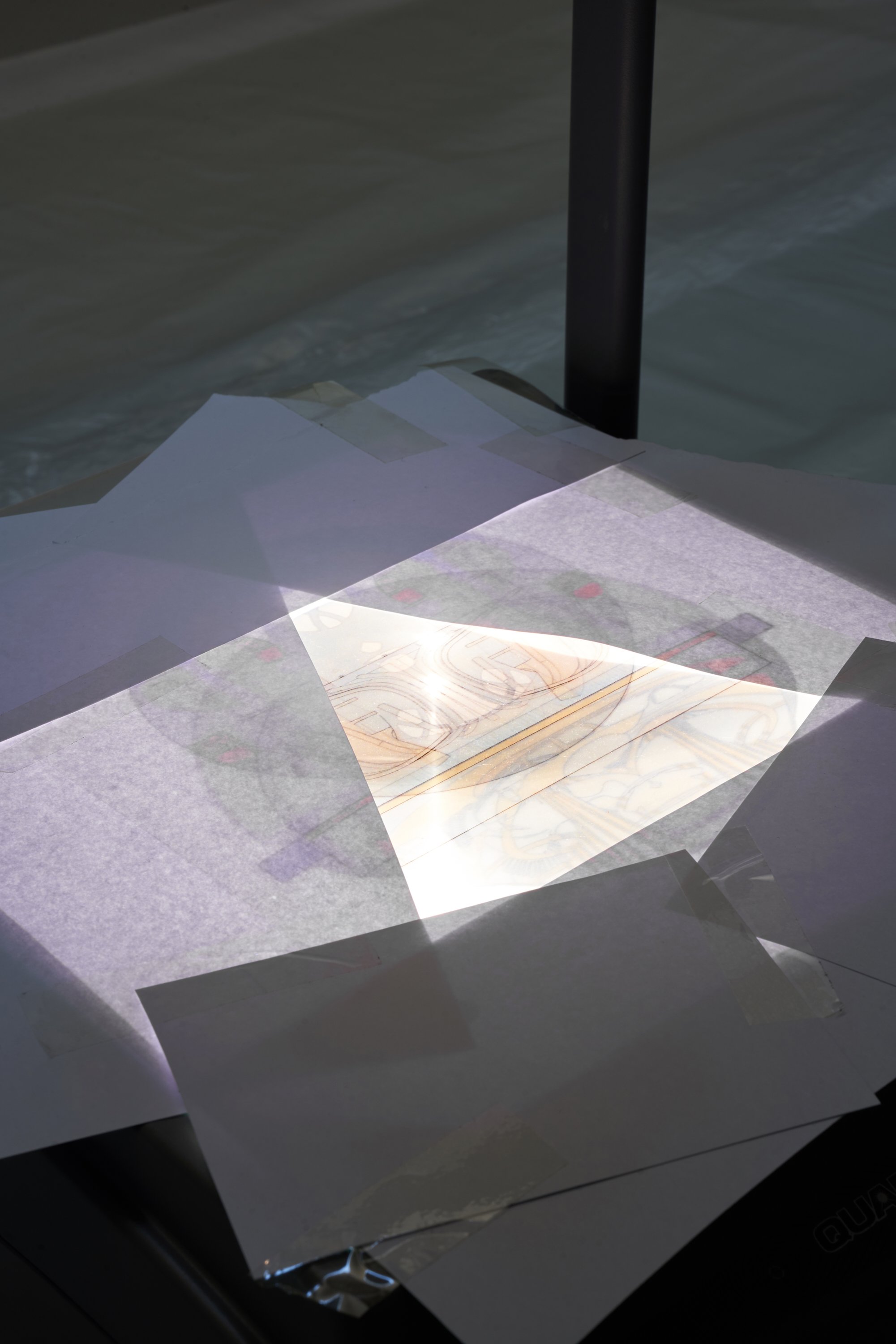
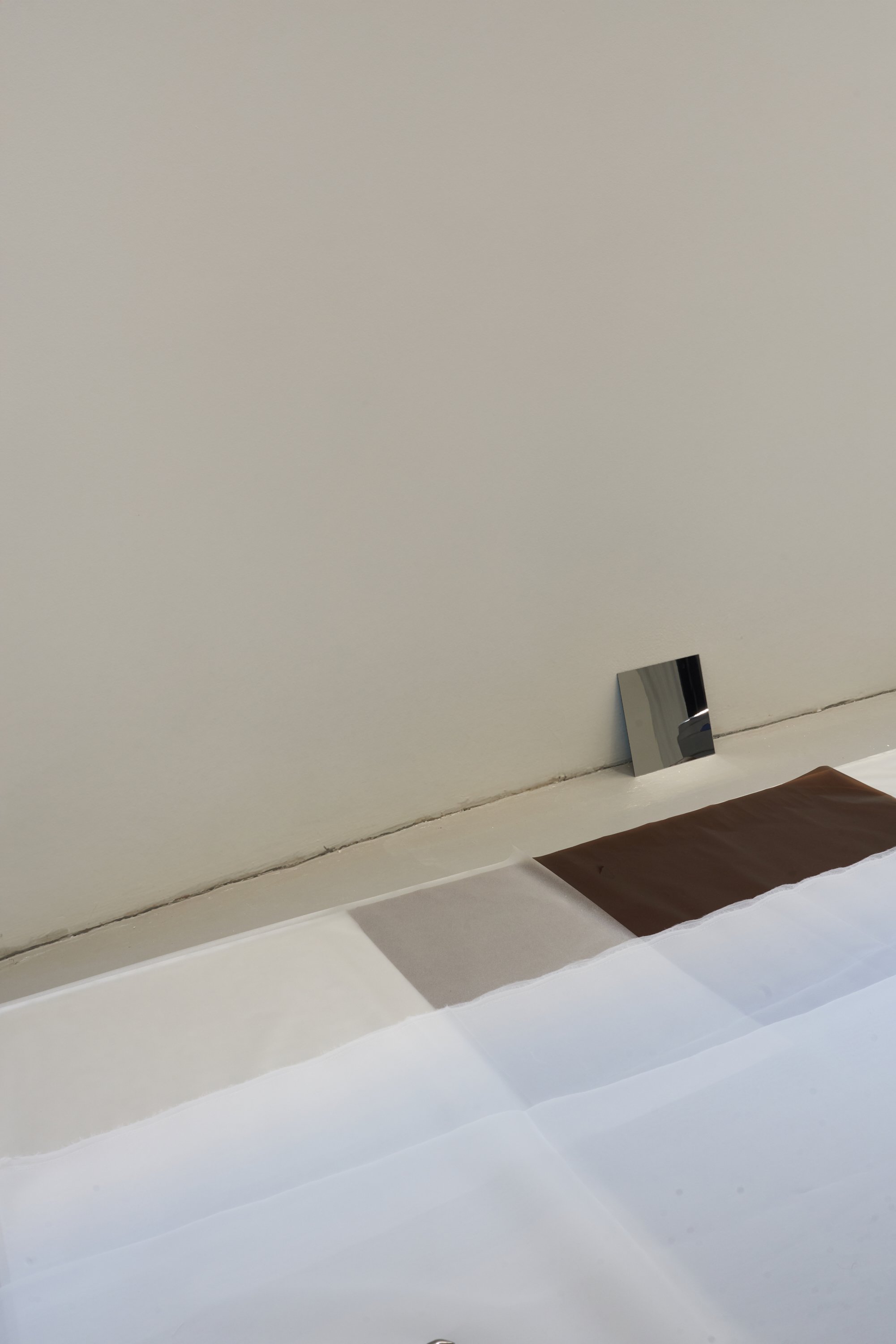
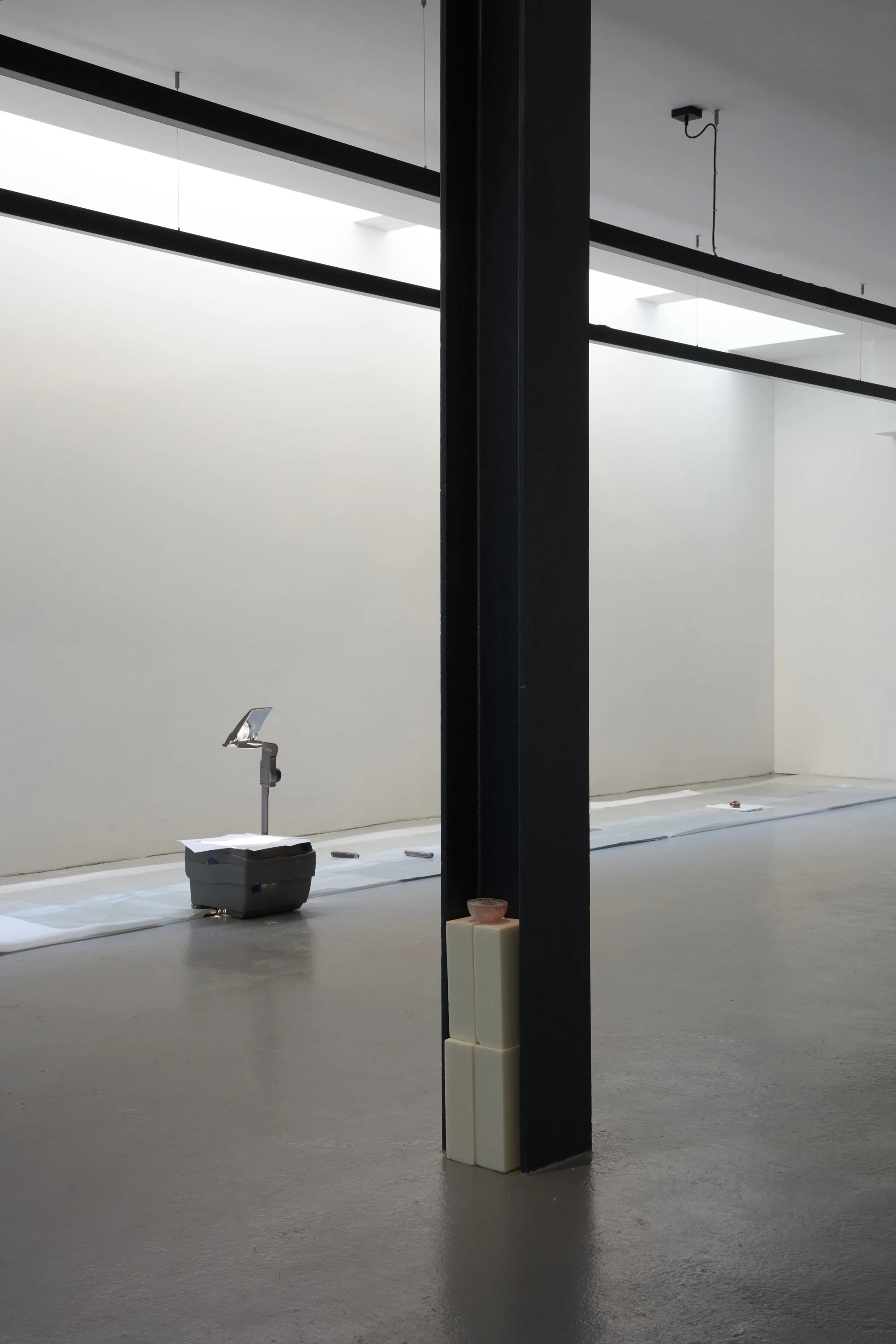
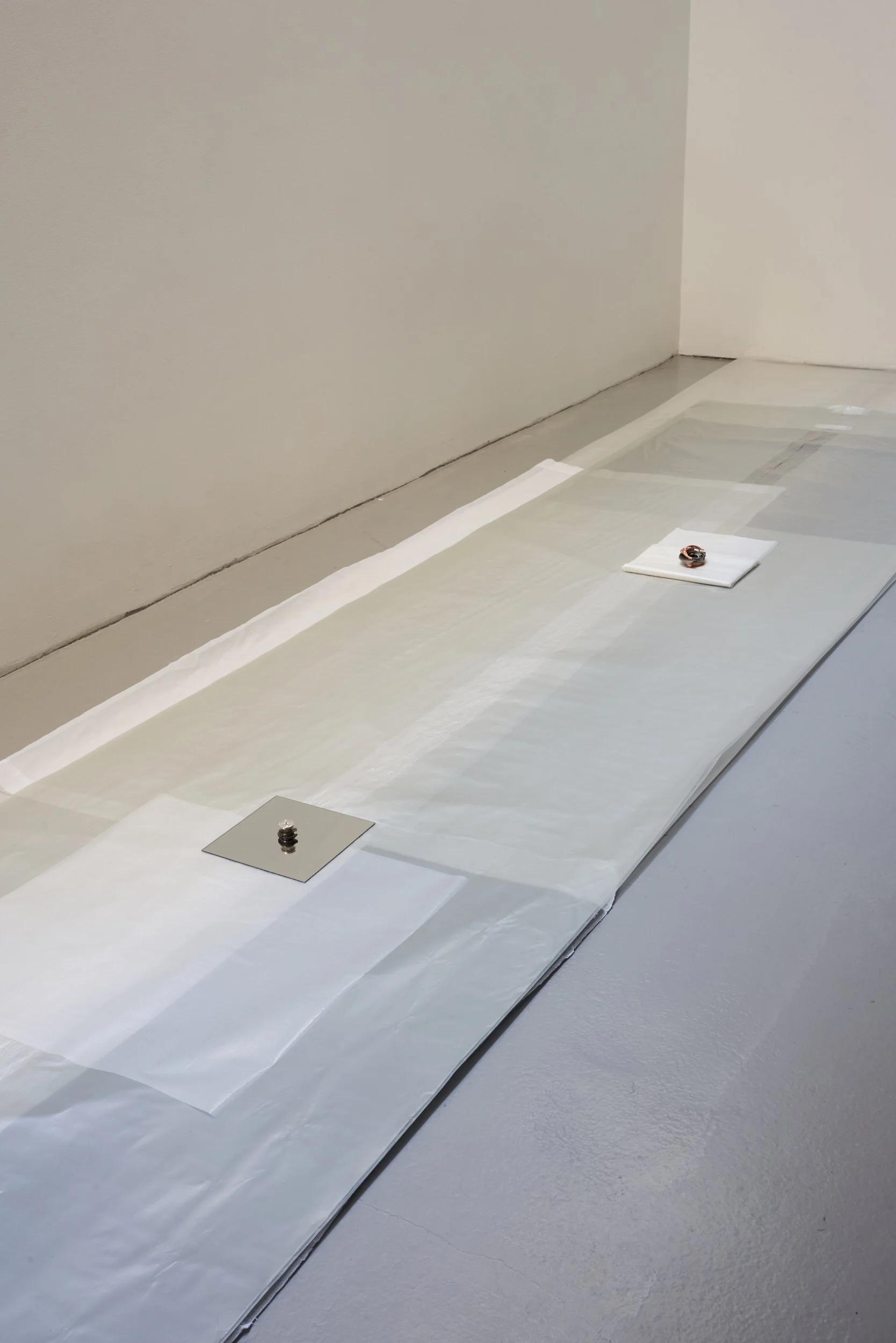
In Vark, Amba Sayal-Bennett transforms drawings, fragments of machinery and material histories into a series of new sculptures. Working across silver, stainless steel, casting and recycled materials, she creates objects that sit between ornament, anatomy and technology. Beneath their intricate forms lies an exploration of loss, connection and the possibility of making something from what remains.
Loss runs throughout the exhibition, emerging through fragments, traces and objects that survive their original purpose. It is present in the distance between a body and its medical representation, between a gesture and its mechanical reproduction, and between something once intimately known and what remains after it has changed. Shaped in part by the experience of witnessing illness from a distance, Sayal-Bennett’s work considers how to approach experiences that cannot be confronted directly. Research offers a framework for navigating circumstances beyond her control, allowing personal experience to enter the work through borrowed images, scientific histories and material traces. These intermediaries hold intimacy and distance in tension, giving form to something that resists representation.
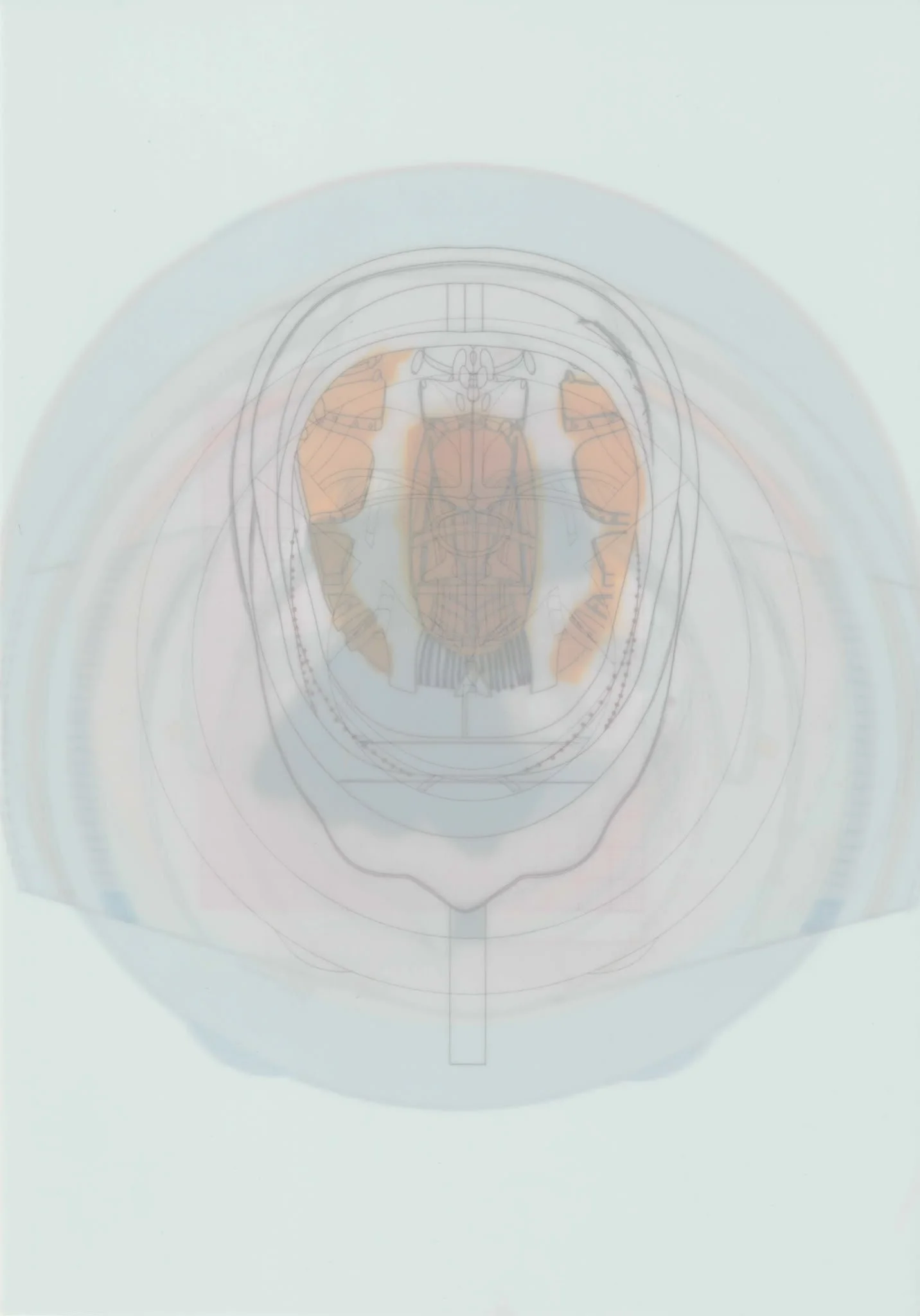
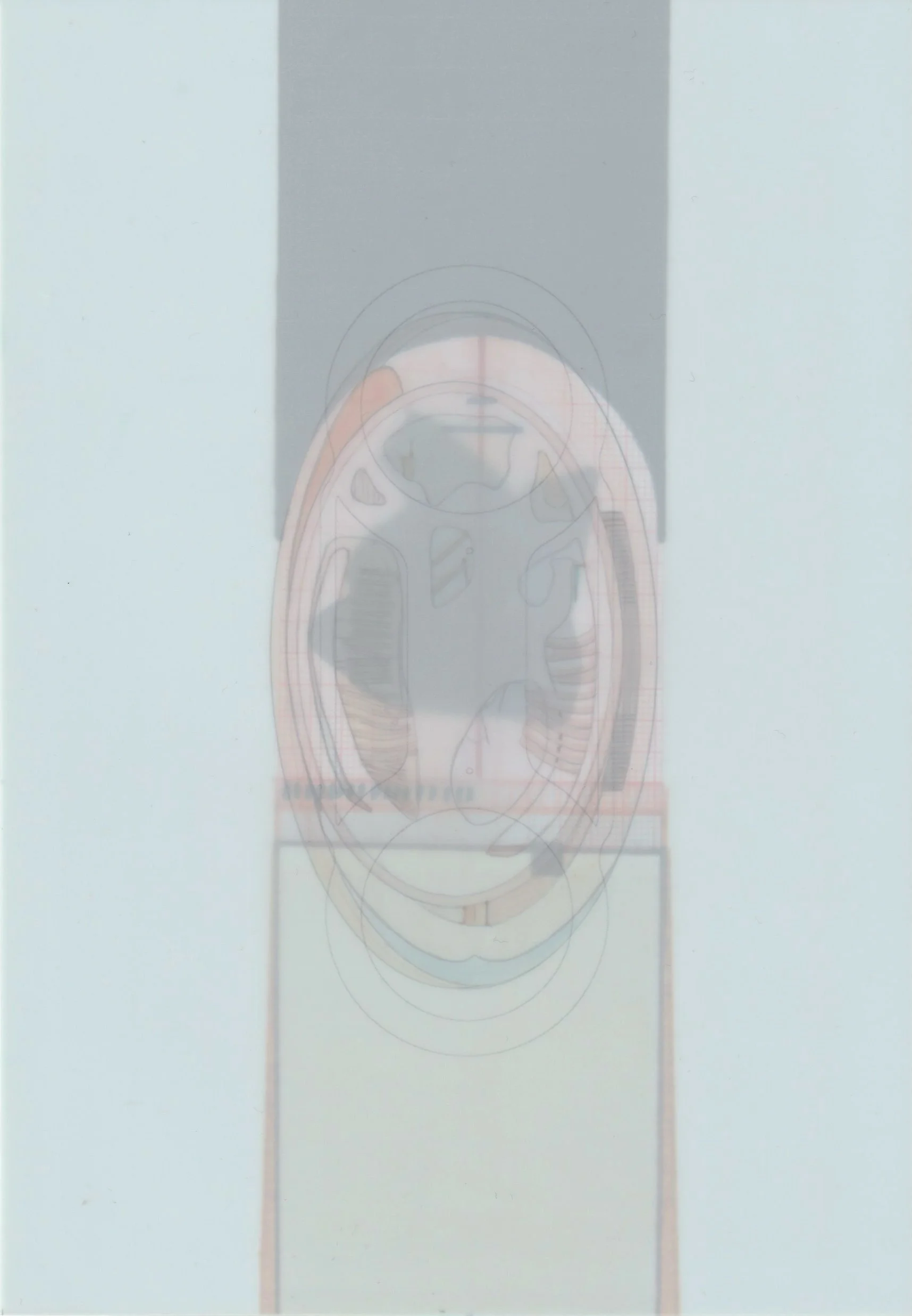
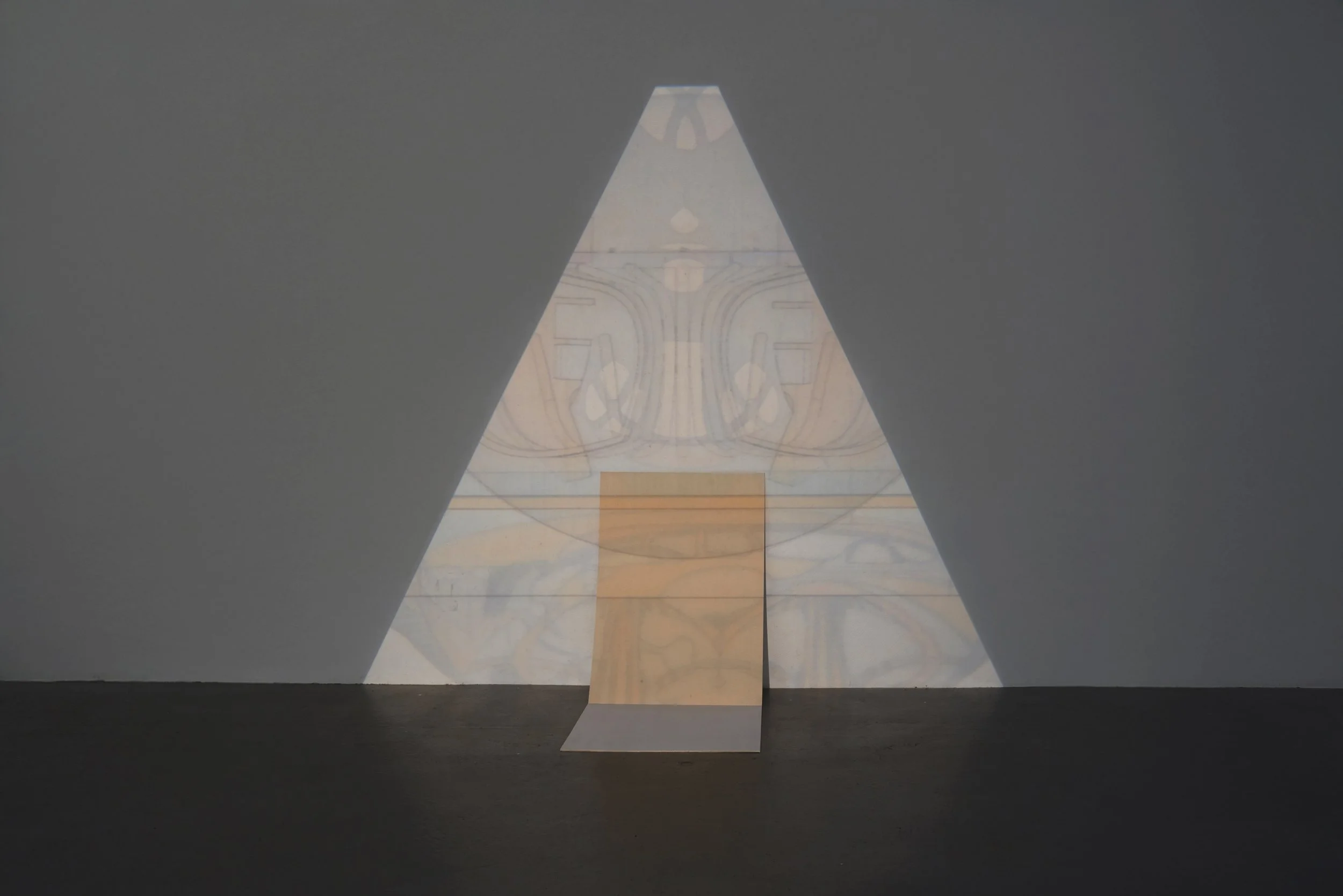
Drawing is central to this process. Working digitally, Sayal-Bennett translates the gestures of her hand into instructions that can be recorded, reproduced and brought to life elsewhere. Each drawing carries the trace of a physical movement, allowing her gestures to travel beyond her own body. Yet this translation also raises questions about how bodies are shaped by the technological and scientific systems through which we live. Within medical research, parts of the body can be reclassified as gifts, waste or commodities, their value determined by the institutions through which they circulate. Sayal-Bennett’s practice holds this loss of control alongside the possibility of agency: by translating her own movements into digital form, she allows her gestures to travel on her own terms. The resulting works bring the precision of technological systems into contact with the intimate, human presence that animates them.
These questions find a material counterpart in silver recovered from redundant NHS X-rays. Through traditional jewellery-casting techniques, a by-product of medical practice becomes a precious material in its own right. The silver carries traces of the images from which it was extracted, even as its clinical purpose gives way to another life. This transformation is not without contradiction. The language of donation, gifting and usefulness can obscure the systems through which bodies and their remains become resources for scientific and economic value. In the recovered silver, the material afterlife of medical practice persists within objects that may appear far removed from their origins.
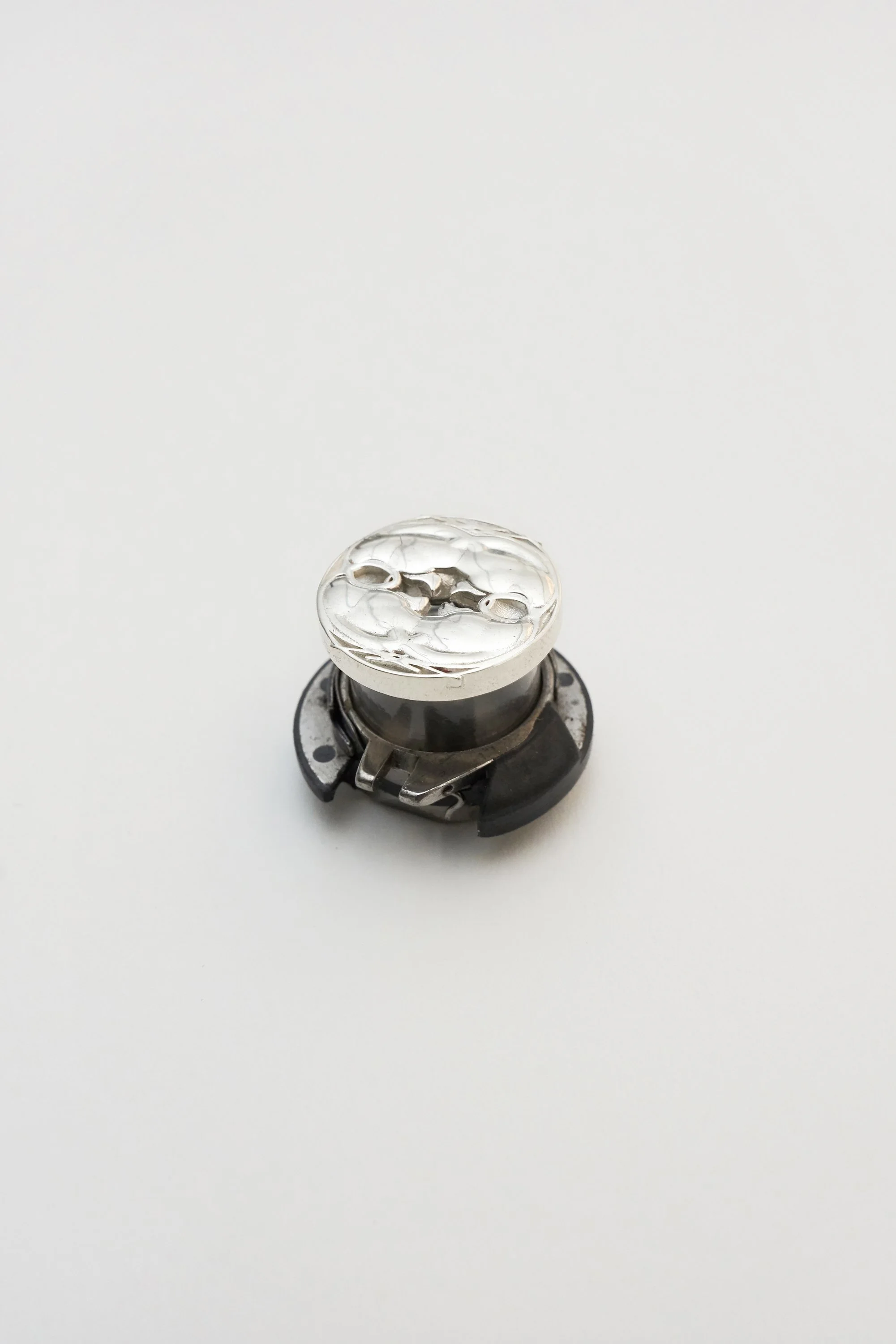
Other works incorporate recycled metals and repurposed sewing-machine components, bringing histories of embodied labour into new compositions. Detached from their original functions, these elements acquire a different presence within Sayal-Bennett’s sculptural vocabulary. Through casting, cutting and recombination, a machine component becomes ornament, a drawing becomes sculpture, and discarded metal becomes precious again. These transformations do not erase what came before; instead, they allow earlier histories to persist in unfamiliar forms.
The title Vark refers to the delicate sheets of silver leaf traditionally used to adorn South Asian sweets and ceremonial foods. Connecting silver to decoration, nourishment, healing and cultural memory, the term introduces a material that is at once precious and familiar. Within the exhibition, ornament becomes more than embellishment. Often regarded as secondary or superficial, it offers a way of thinking about how objects acquire meaning, how materials move between cultures and contexts, and how intricate forms can carry histories that are not immediately visible.
Across the sculptures, delicate lines develop into substantial objects, industrial components acquire a new visual language, and reflective surfaces invite close looking. The works balance precision with ambiguity, combining the solidity of metal with forms that appear almost organic. Their surfaces shift between industrial and precious, technical and tactile, drawing attention to the relationships between line, volume, texture and light.
The sculptures do not attempt to recover what has disappeared. Instead, they explore how something might persist in another form. In Vark, materials and gestures carry their histories forward, neither wholly renewed nor entirely detached from their pasts. Through the expressive possibilities of ornament, Sayal-Bennett finds ways of attending to these afterlives, giving form to the fragments, movements and materials that remain.
SELECTED WORKS
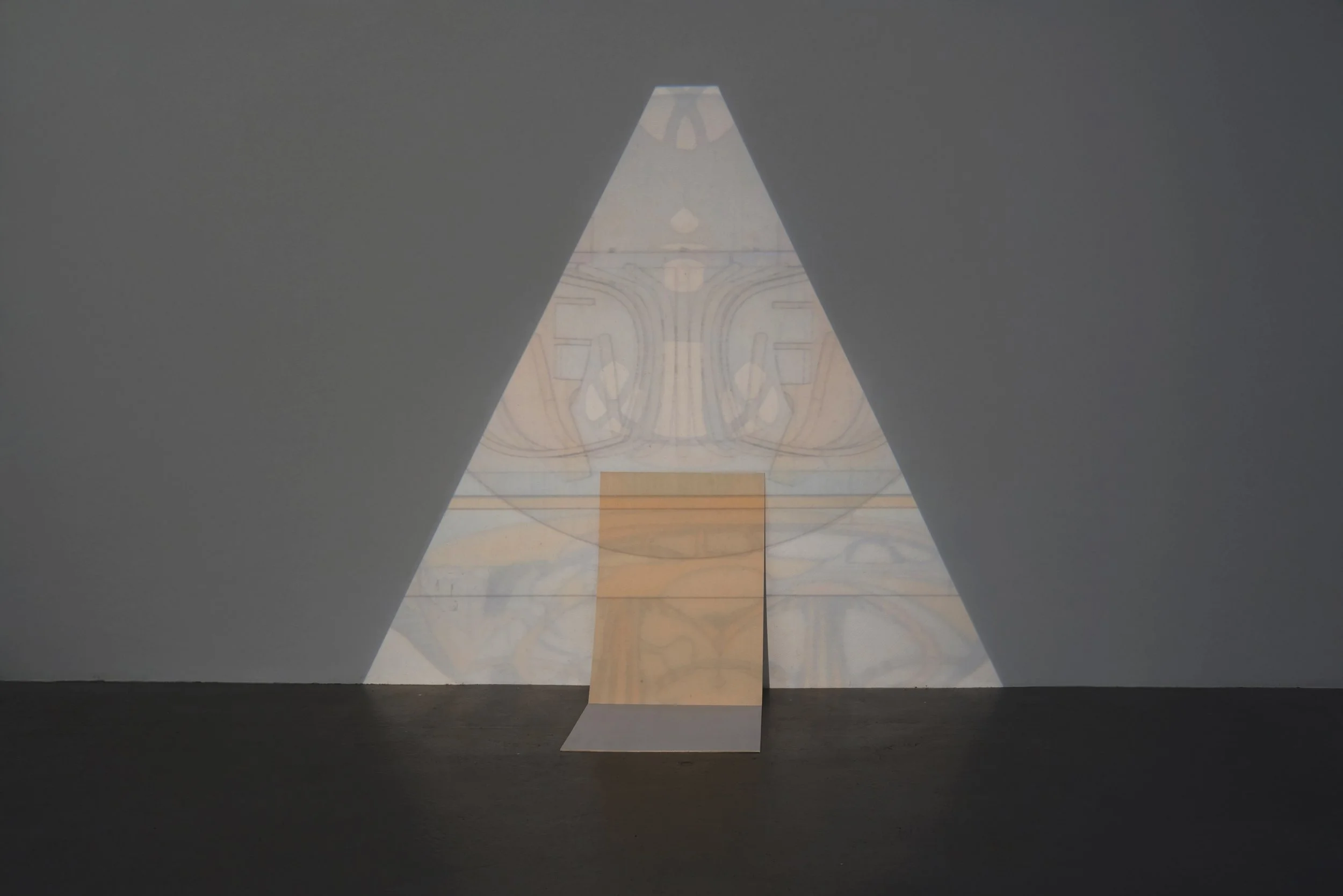
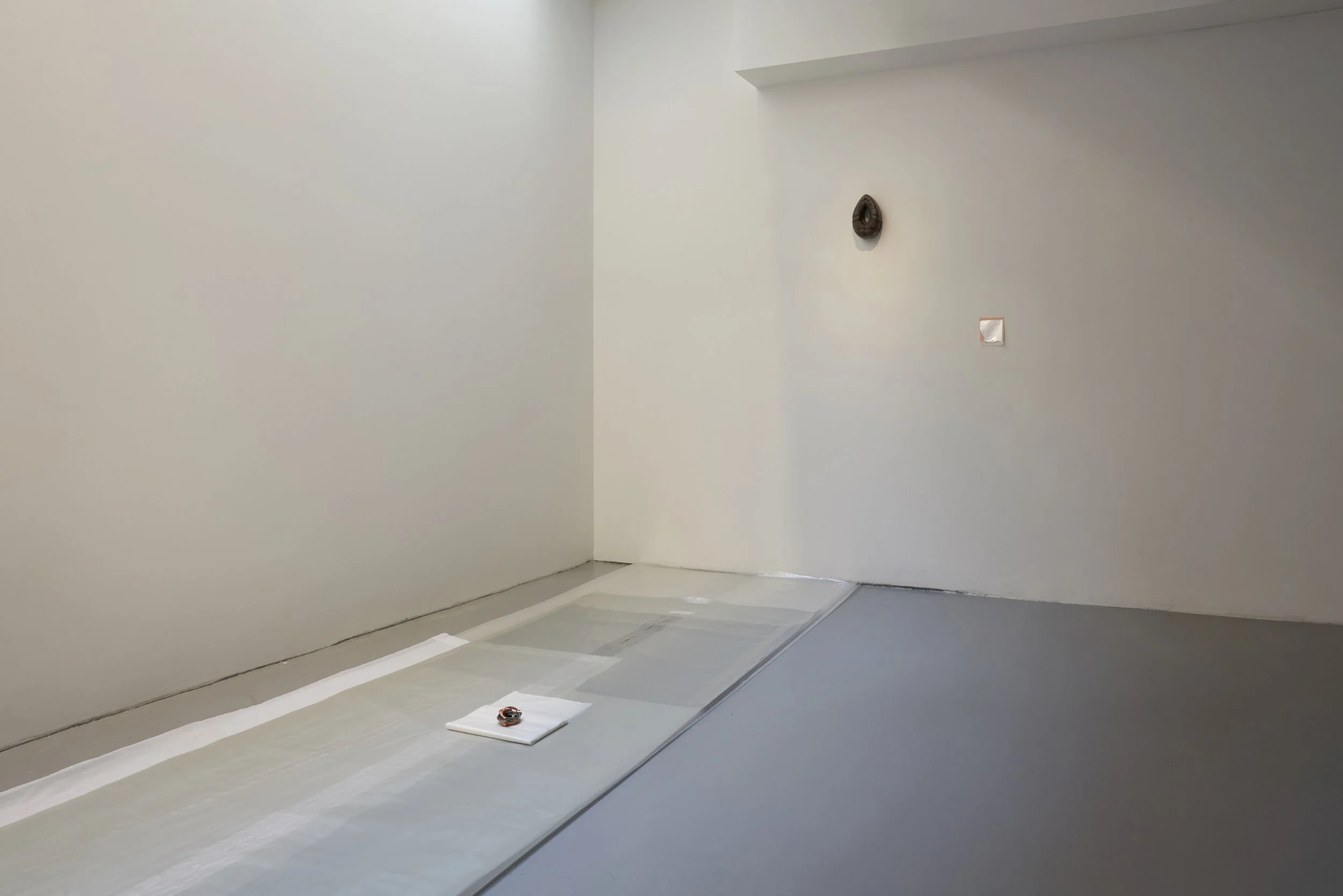
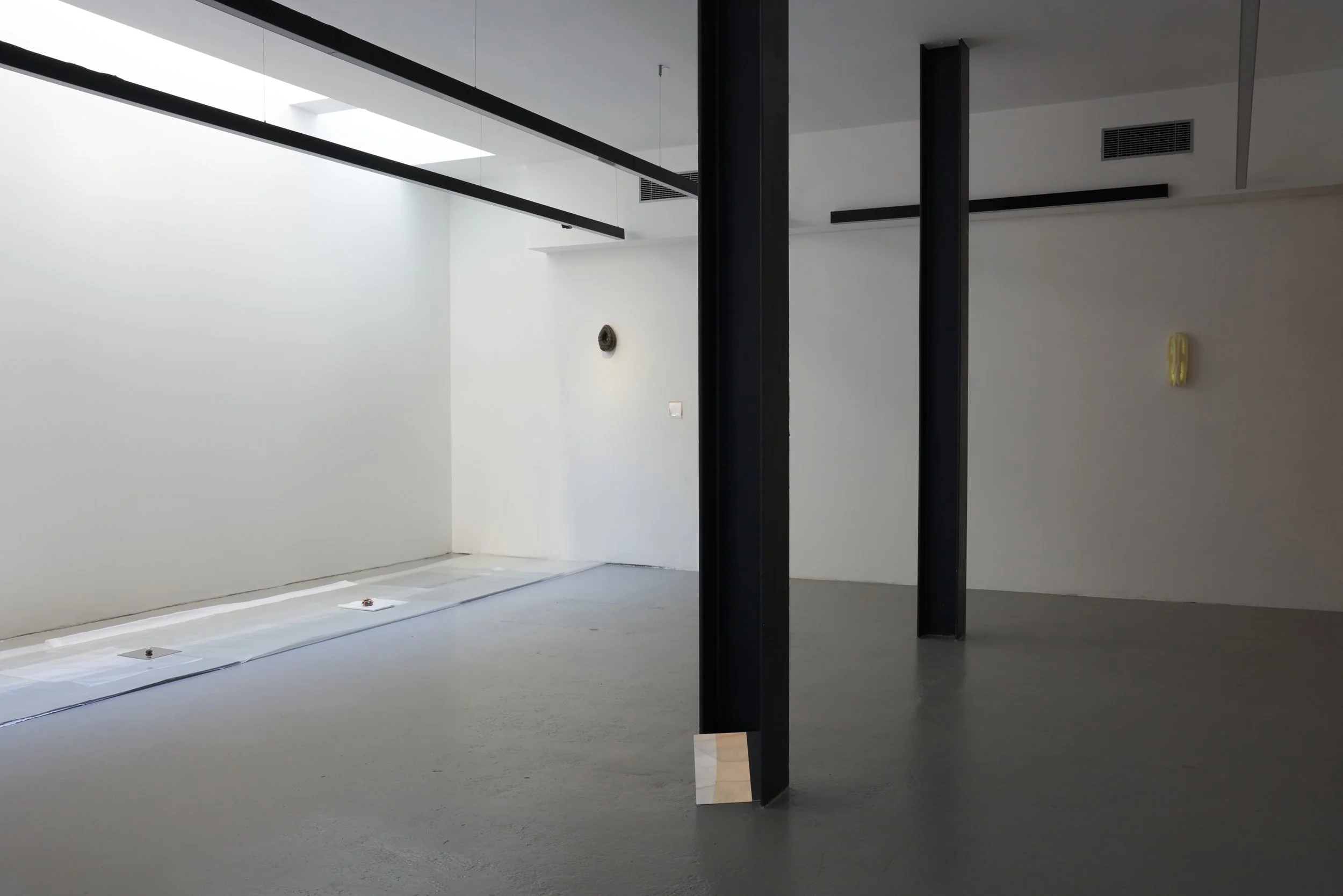
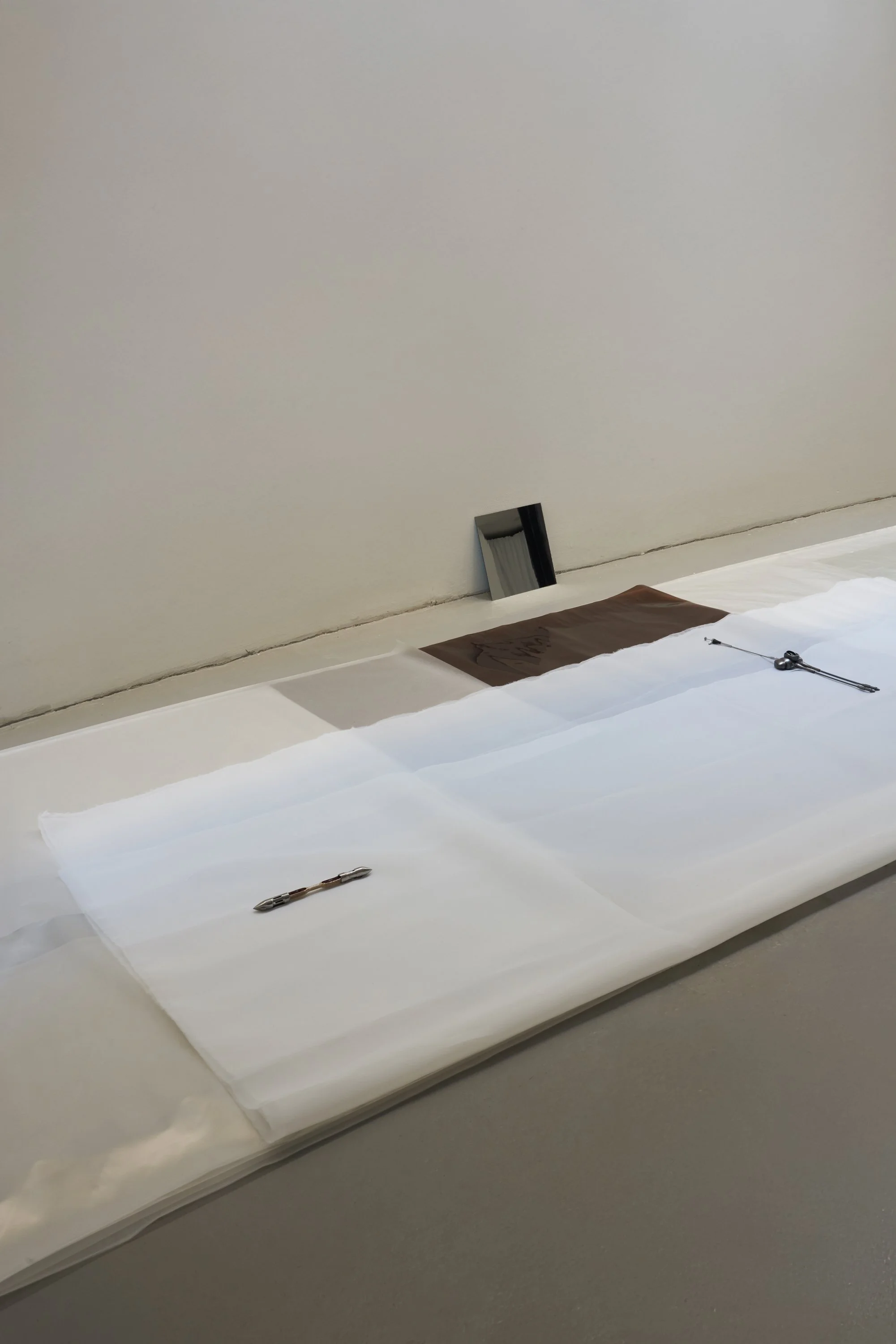
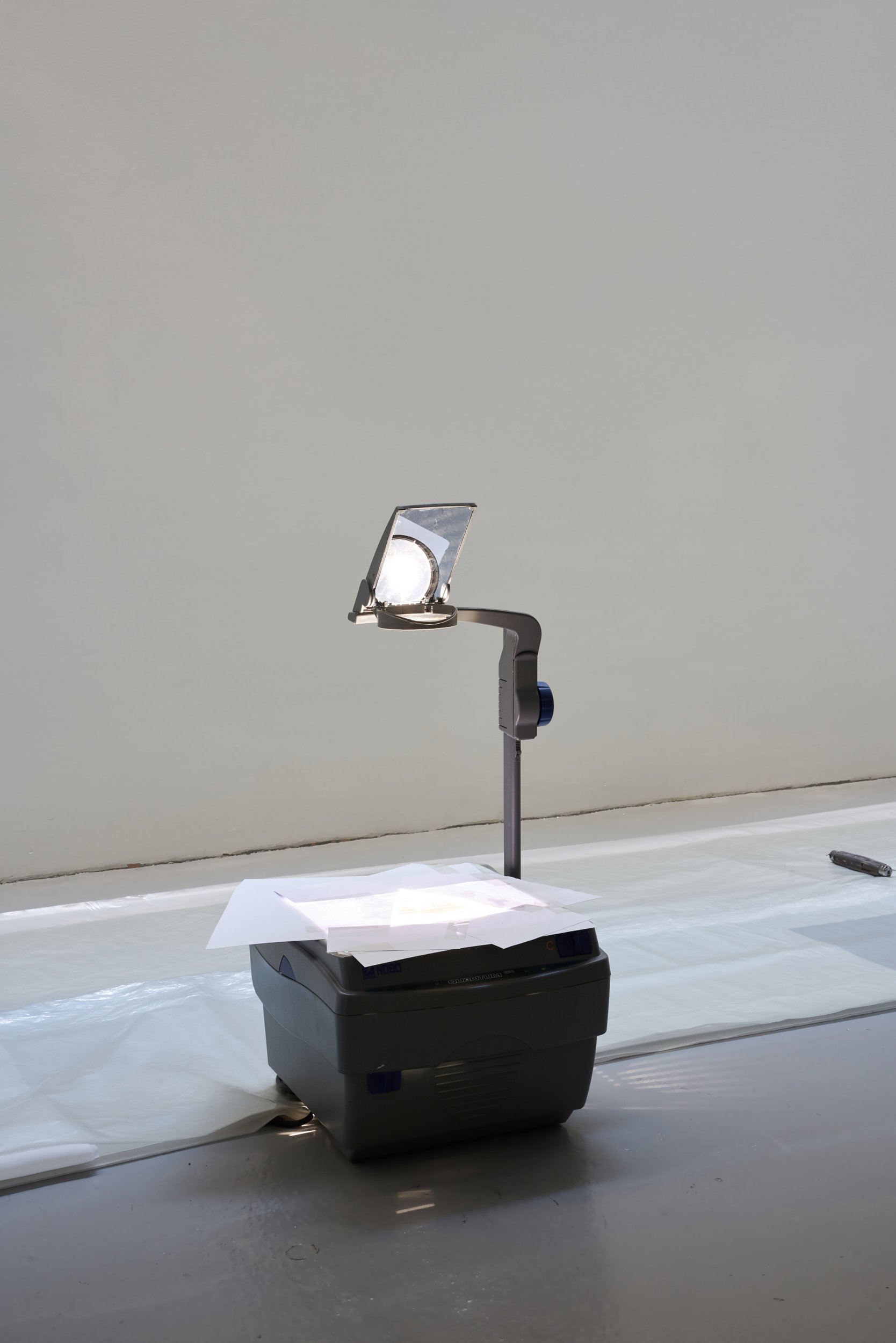
INSTALLATION VIEWS
Amba Sayal-Bennett (b. 1991, London) lives and works in London. She received her BFA from Oxford University, her MA in Sculpture from the Royal College of Art, and her MA in History of Art from The Courtauld.
Sayal-Bennett makes the migration of form her subject: tracing how modernist architecture, anatomical knowledge and computational representation are translated across bodies, technologies and postcolonial geographies, she reveals abstraction not as universal language but as something continually remade by movement.
Recent exhibitions and fairs include Art Basel, Basel, 2026; Frieze, London, 2026; The 6th Edition of The Sculpture Park, Jaigarh, Jaipur, 2026; Anatomy of parts, Indigo+Madder, London (2025); Drawing Room Invites, Drawing Room, London (2025); Artist’s Rooms, Jameel Arts Centre, Dubai (2024); Geometries of Difference, Somerset House, London (2022); Horror in the Modernist Block, IKON, Birmingham (2022); My Mother Was a Computer, Indigo+Madder, London (2022); and Tomorrow, White Cube, London (2021).
To request a catalogue or receive further information, please get in touch: info@indigoplusmadder.com
Andro, 2026
Electroplated resin, steel
40 x 7 x 3 cm