
Multiple Times
Saelia Aparicio, Noorain Inam, Dilara Koz, Zarina Muhammad, Kentaro Okumura, Anousha Payne, Prajakta Potnis, Samir Salim, Partou Zia
15 November -20 December 2025
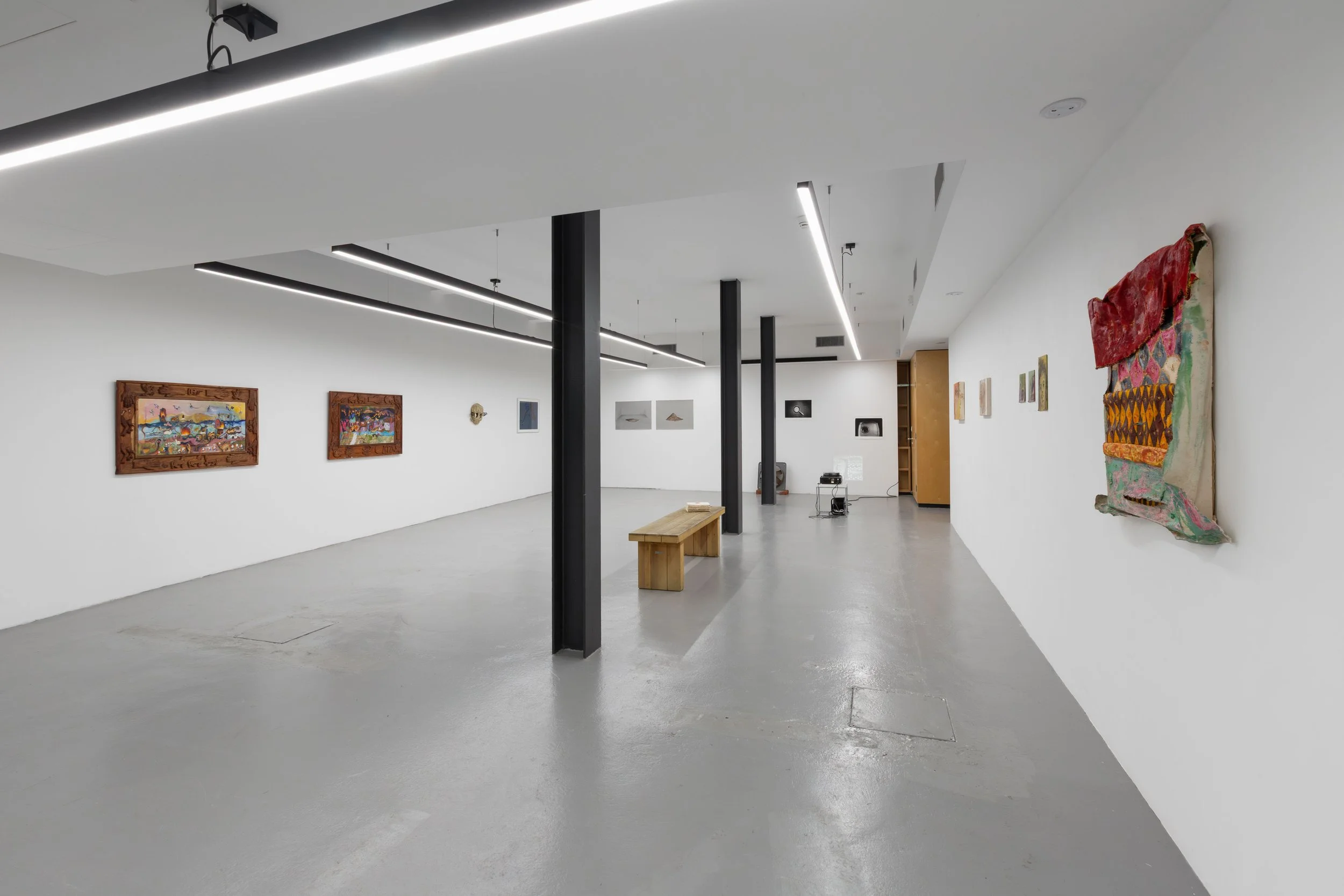
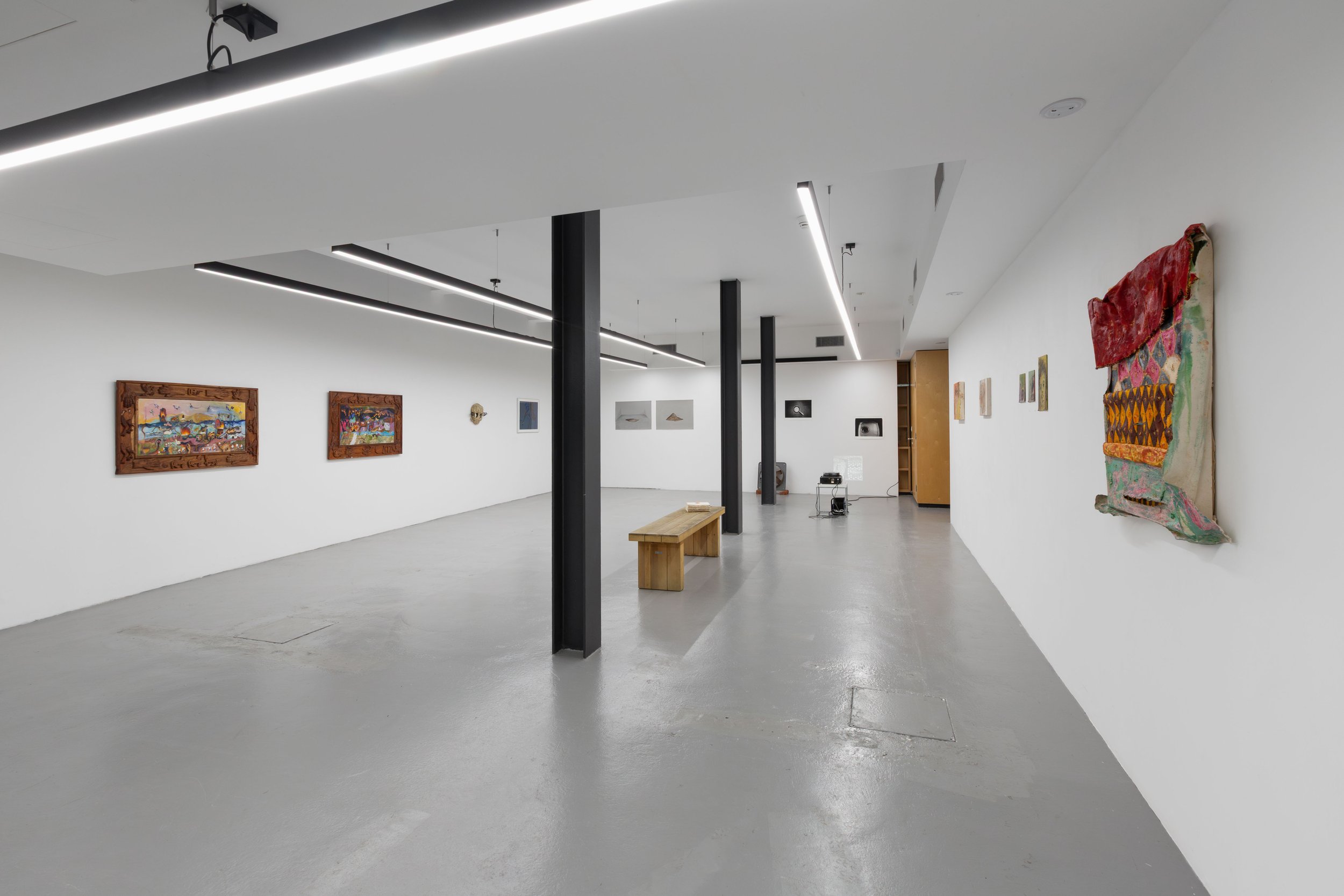
Multiple Times explores how artists disrupt the linear, chronological understanding of time often associated with ideas of progress and structured order. The exhibition brings together works that unfold across fragmented, overlapping, and cyclical temporalities—where the past, present, and future are not neatly separated but collapse, bleed, and echo through one another. Each practice offers a distinct rhythm or narrative that reveals time as plural and elastic, shaped by memory, material, and myth. Through this constellation of works, Multiple Times invites viewers to inhabit temporalities that twist, layer, and reverberate beyond sequential logic.
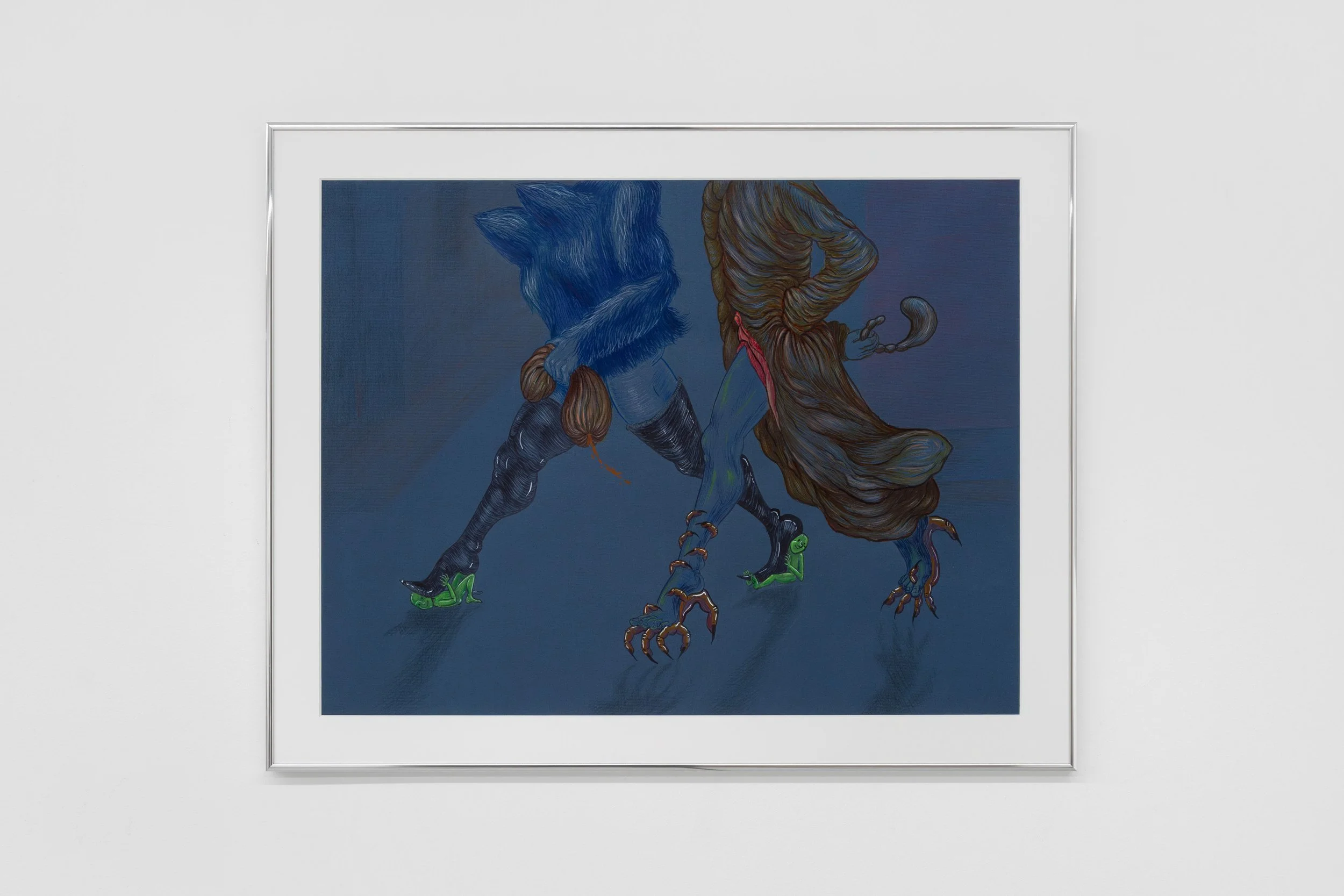
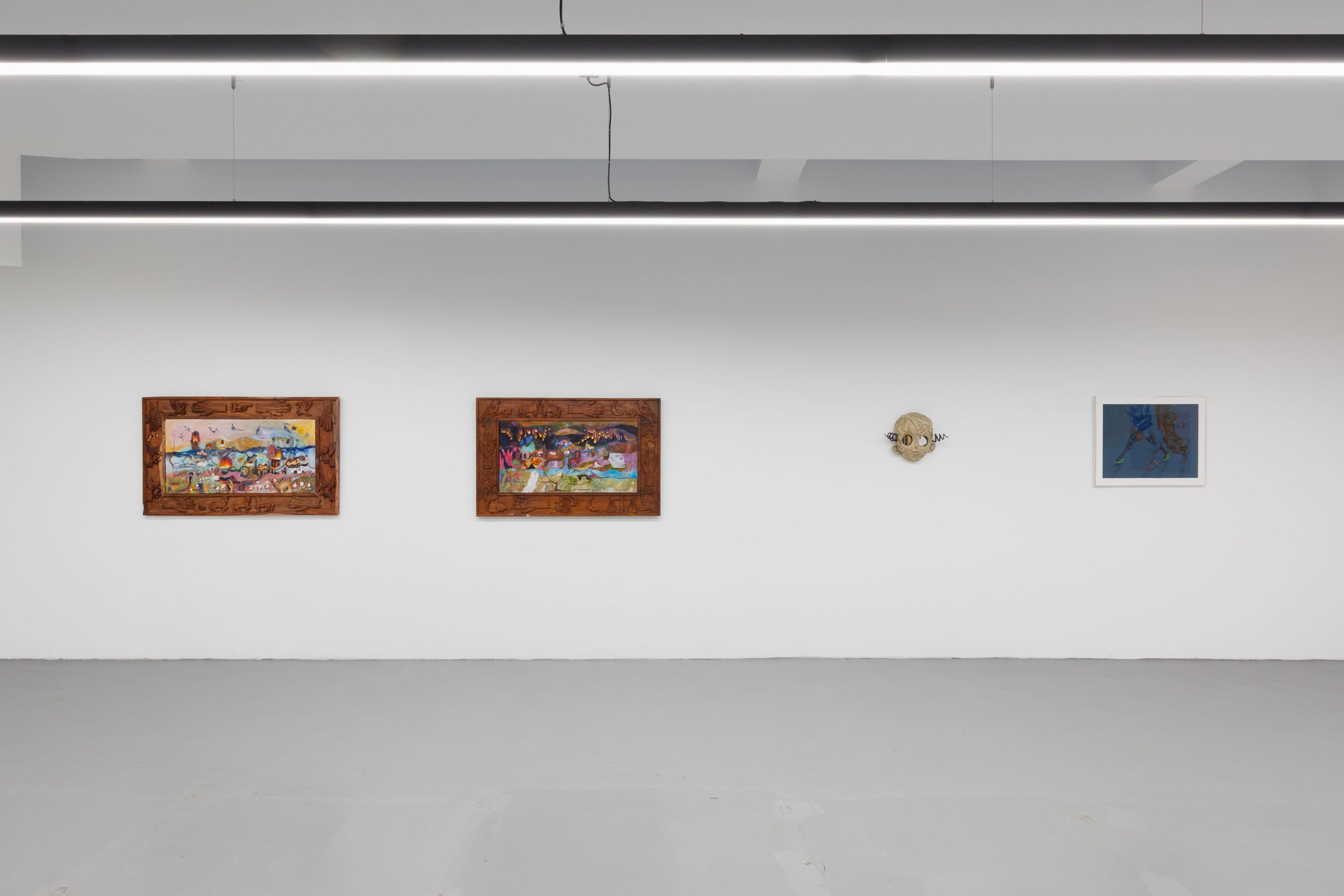
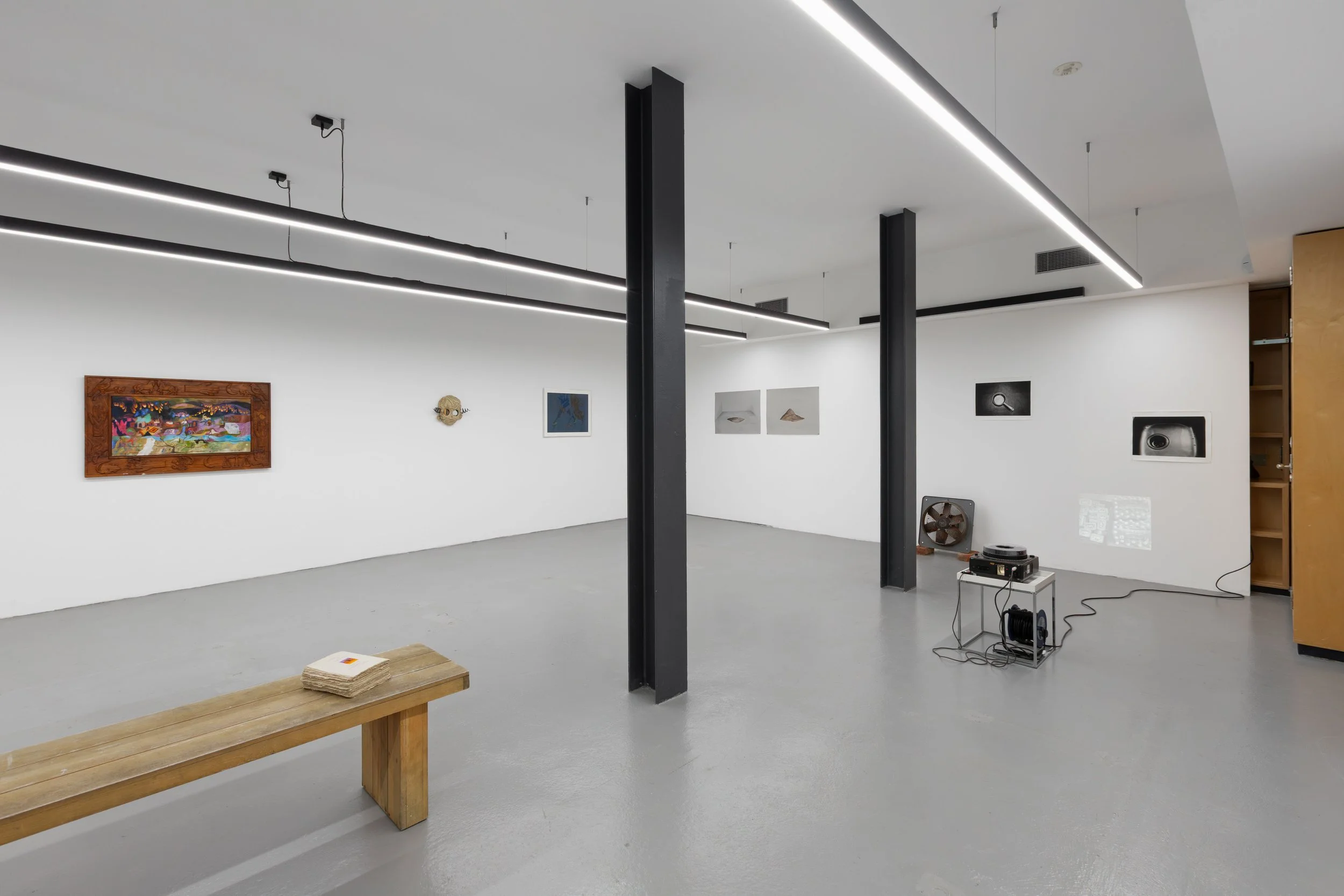
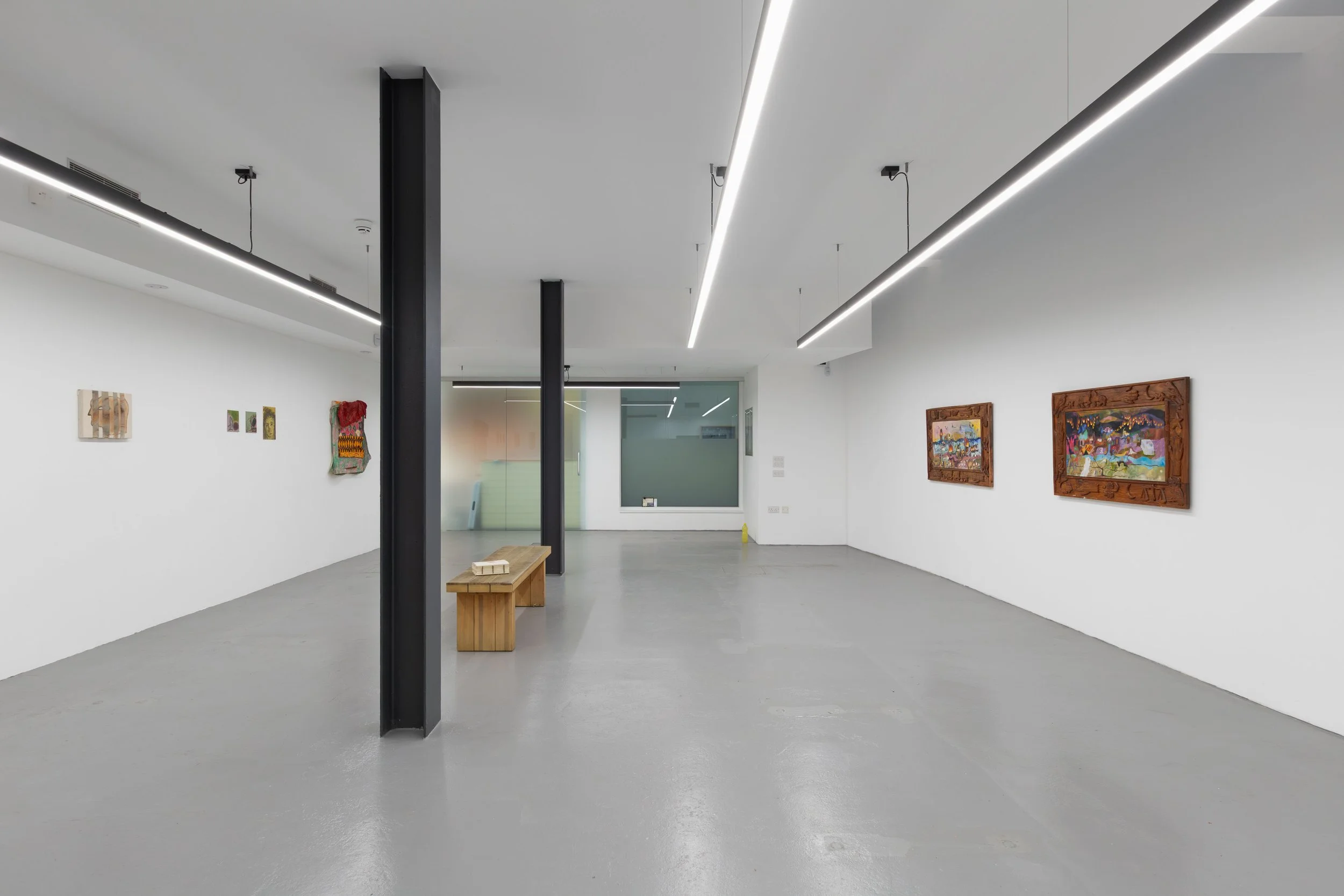
Saelia’s Apotropaic Reflection opens the dialogue through an interplay of humour, protective symbolism, and resonant historical echoes. Inspired by a Punic head discovered in Ibiza—a smiling relic whose expression carries itself across centuries into medieval canecillos—the sculpture becomes a loop of inheritance and reinvention. Its mirrored eyes, recalling 1960s cartoon children and the syncretic saints of Chiapas, transform reflection into a ritual of both defence and delight. Here, time folds: ancient beliefs surface in contemporary forms, and the viewer encounters a gesture that feels at once protective and self-aware. This cyclical sense of temporal expansion continues in Saelia’s drawing Walking around with Mire, created during a weekend marked by intimate conversations and the artist’s discovery of her pregnancy. The resulting image is a twilight wilderness where hybrid beings—half human, half animal—move according to instinct, desire, and vulnerability. Saelia speaks of motherhood as an opening into deeper connectivity with insects, plants, and animals, a porous state in which multiple selves coexist and shift shape—'In this drawing, I release my fly-self, my wolf-self, my rhododendron-self: all the shifting forms of life that coexist within me, pulsing quietly in the dusk.’
Similarly, Kentaro’s Oaxaca Parade conjures a temporality carried by movement and memory. Drawing from the Guelaguetza festival—a celebration of Oaxaca’s regional dances and traditions—the work captures the sensation of being swept into a river of bodies, sound, and colour. Brass bands, spinning spheres, papier-mâché figures, and women in vibrant dresses converge into a flowing choreography of collective energy. Rather than depicting a singular event, Kentaro’s work holds the continuity of cultural celebration: a living ritual that persists across generations, collapsing the borders between past festivities and present experience.
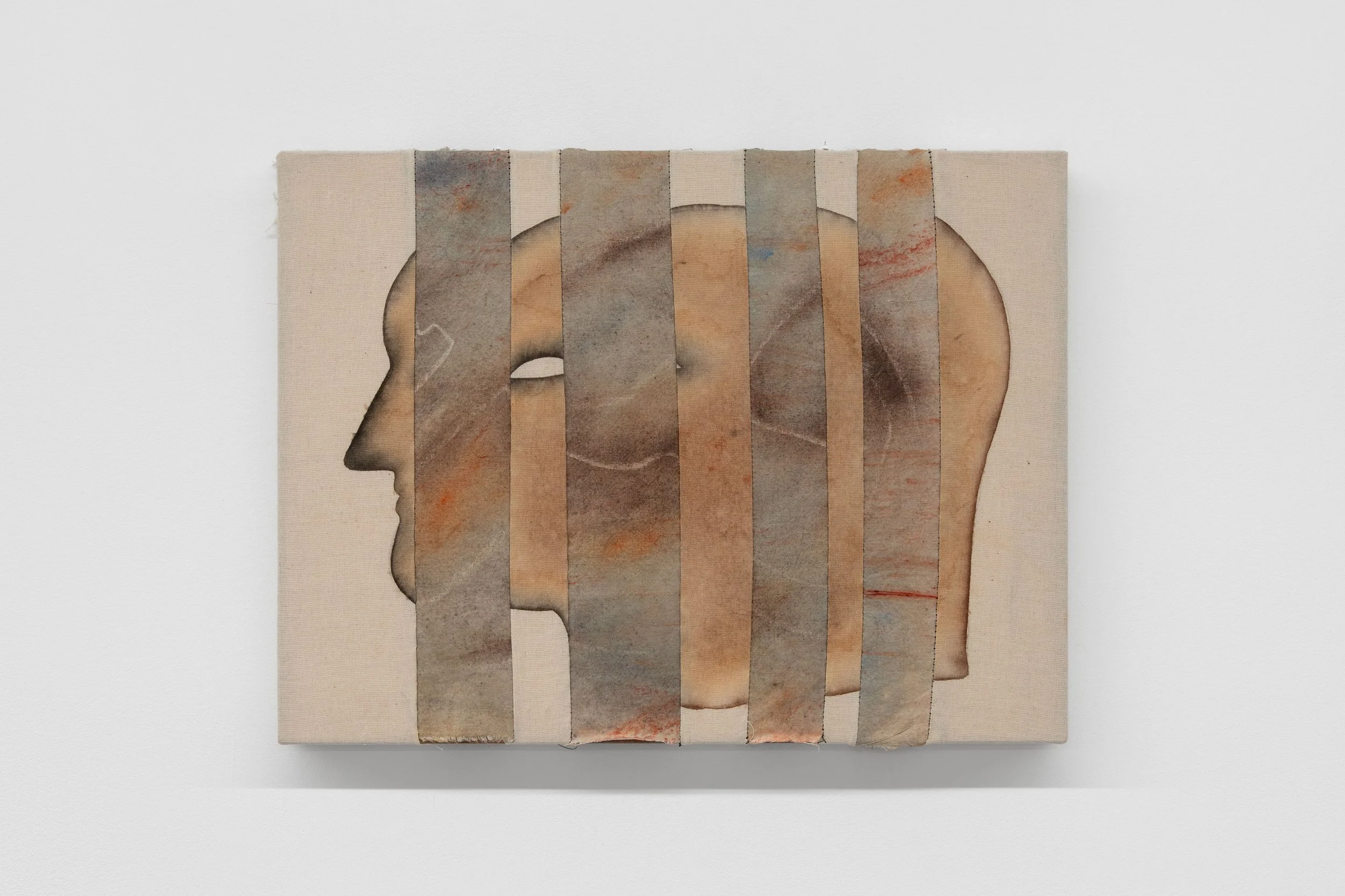
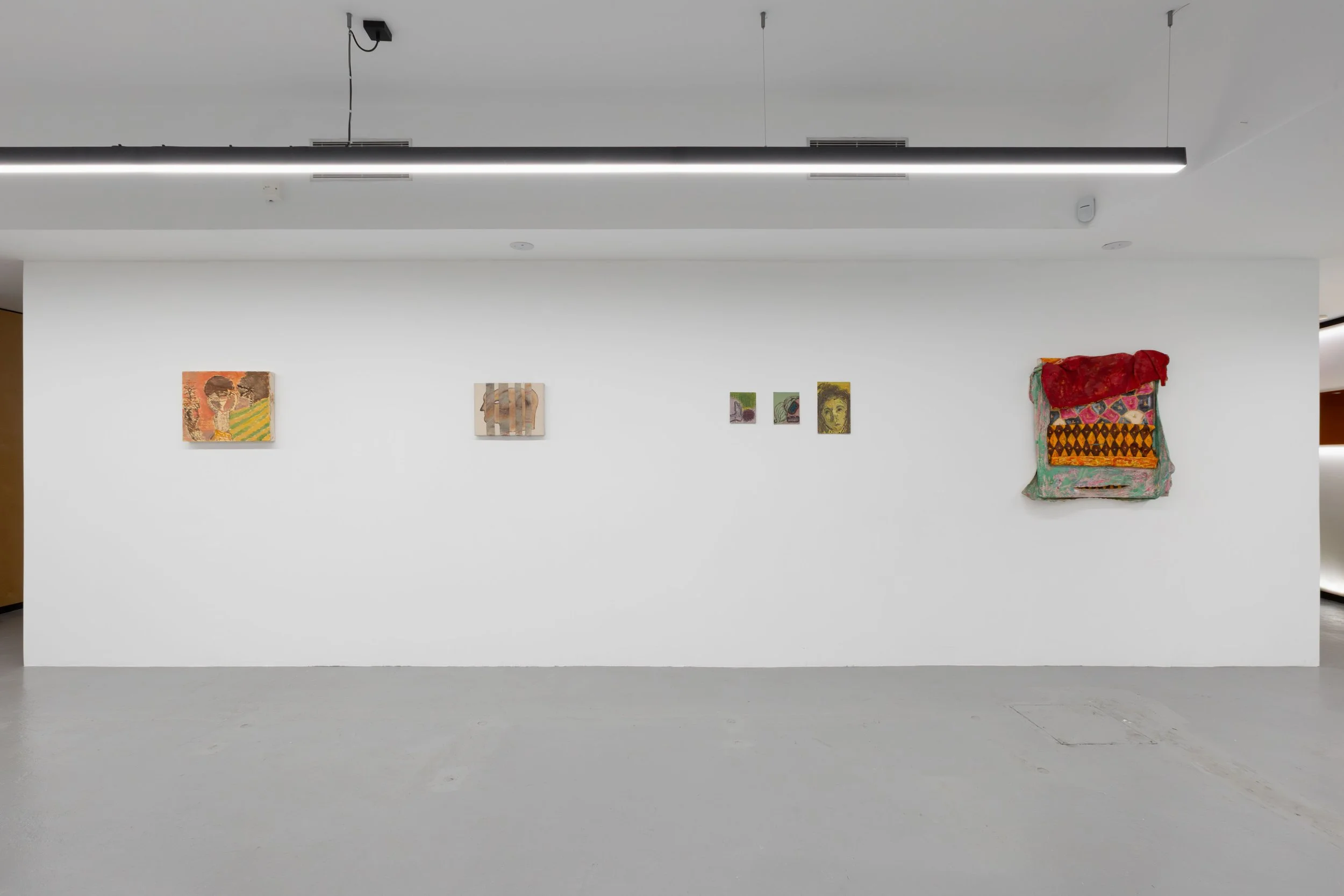
For Anousha, time emerges through layered geographies and inherited histories. A Head and a Landscape grew out of a workshop for British-Sri Lankan artists responding to colonial photographic archives in London, where she encountered an image of Haputale—the site of her grandparents’ honeymoon, and a region once dominated by British-owned tea plantations. By cutting and stitching together strips of landscape and portraiture, Anousha creates a fractured yet unified image that mirrors the psychological state of being in many places at once. The work becomes a lens through which personal memory and colonial history coexist, creating a fragmented view that evokes glimpses from a moving car while also suggesting the merging of self with place. In this stitched terrain, time becomes both connective and divisive—a fabric woven from migration, land, and lineage.
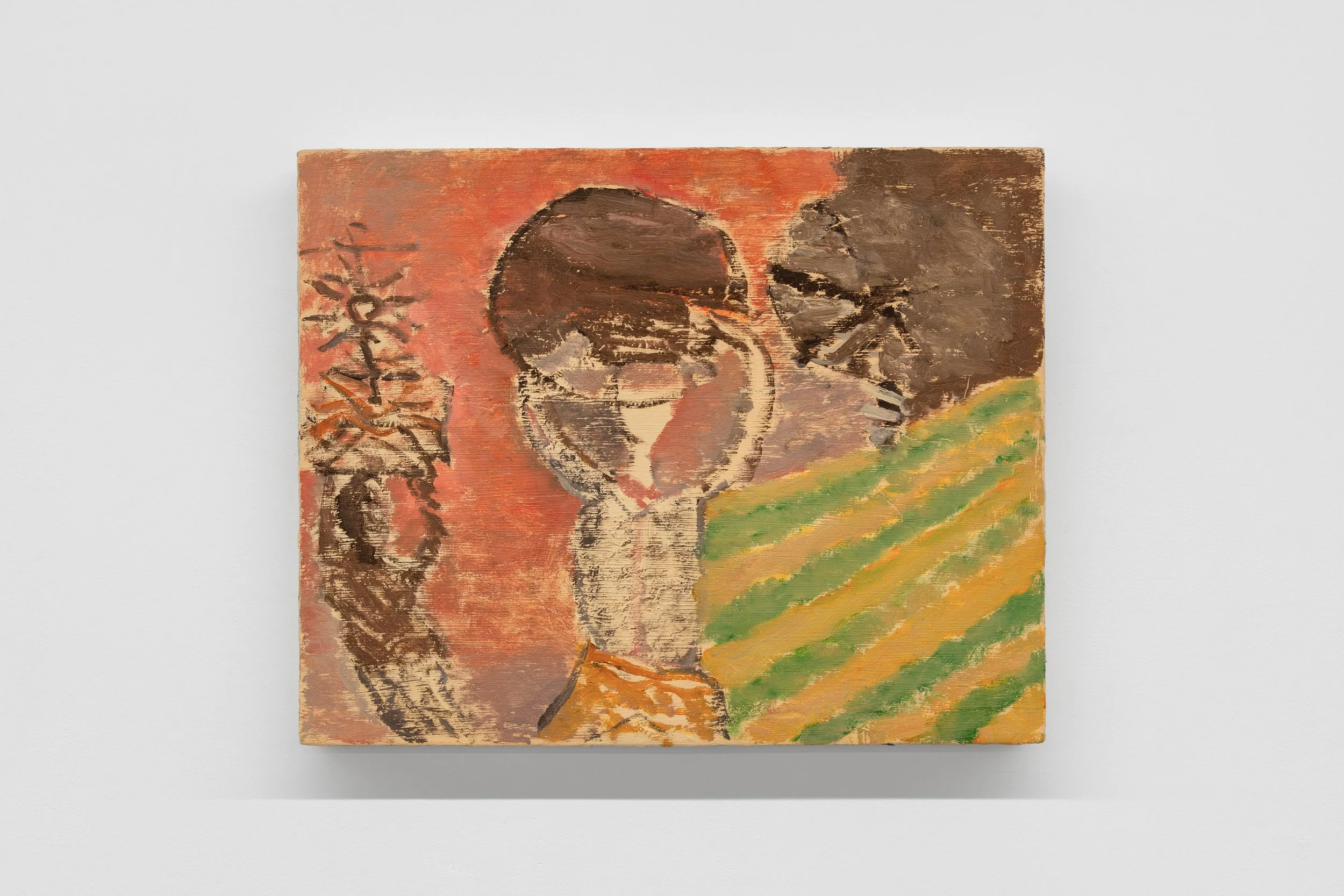
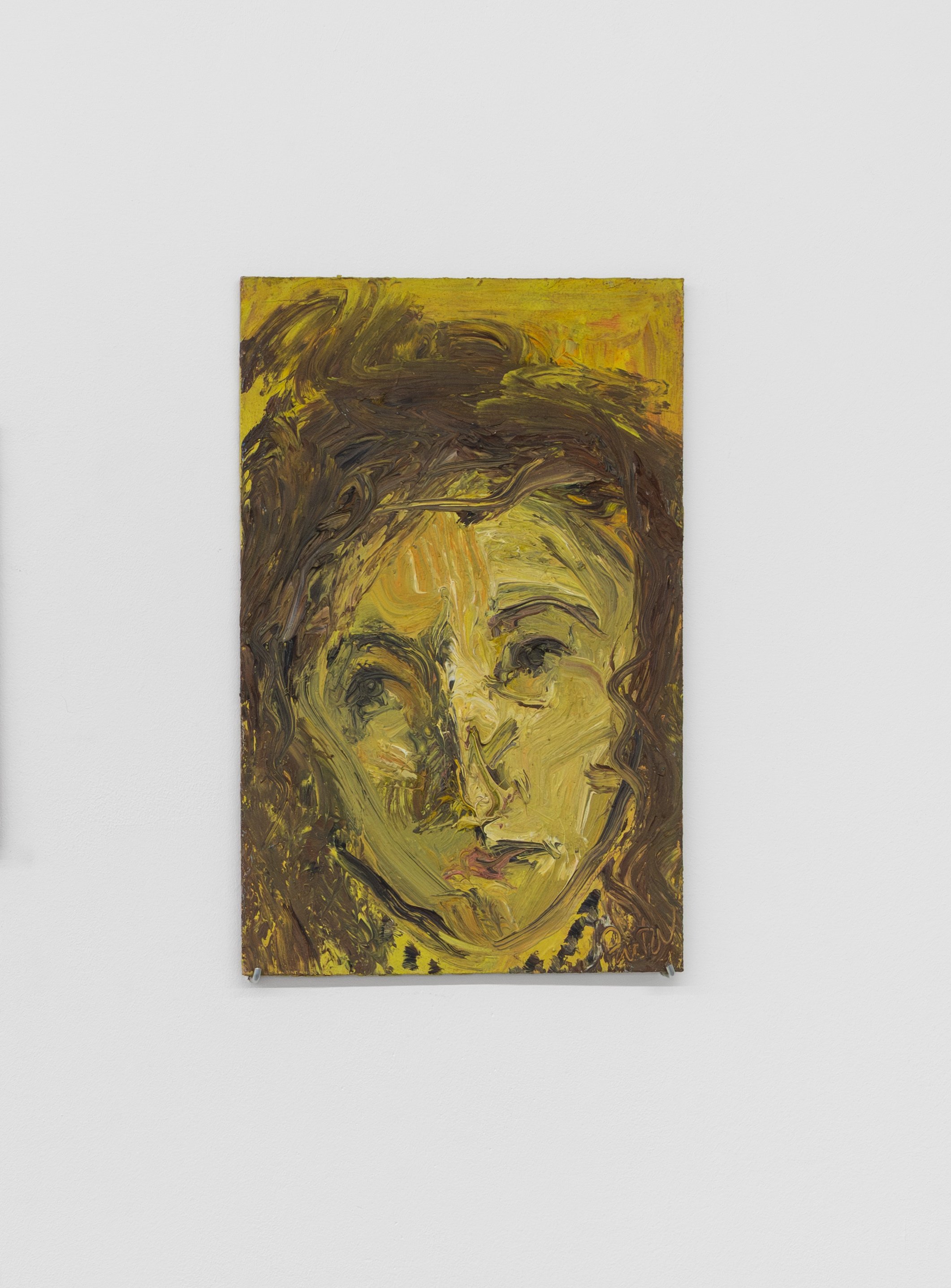
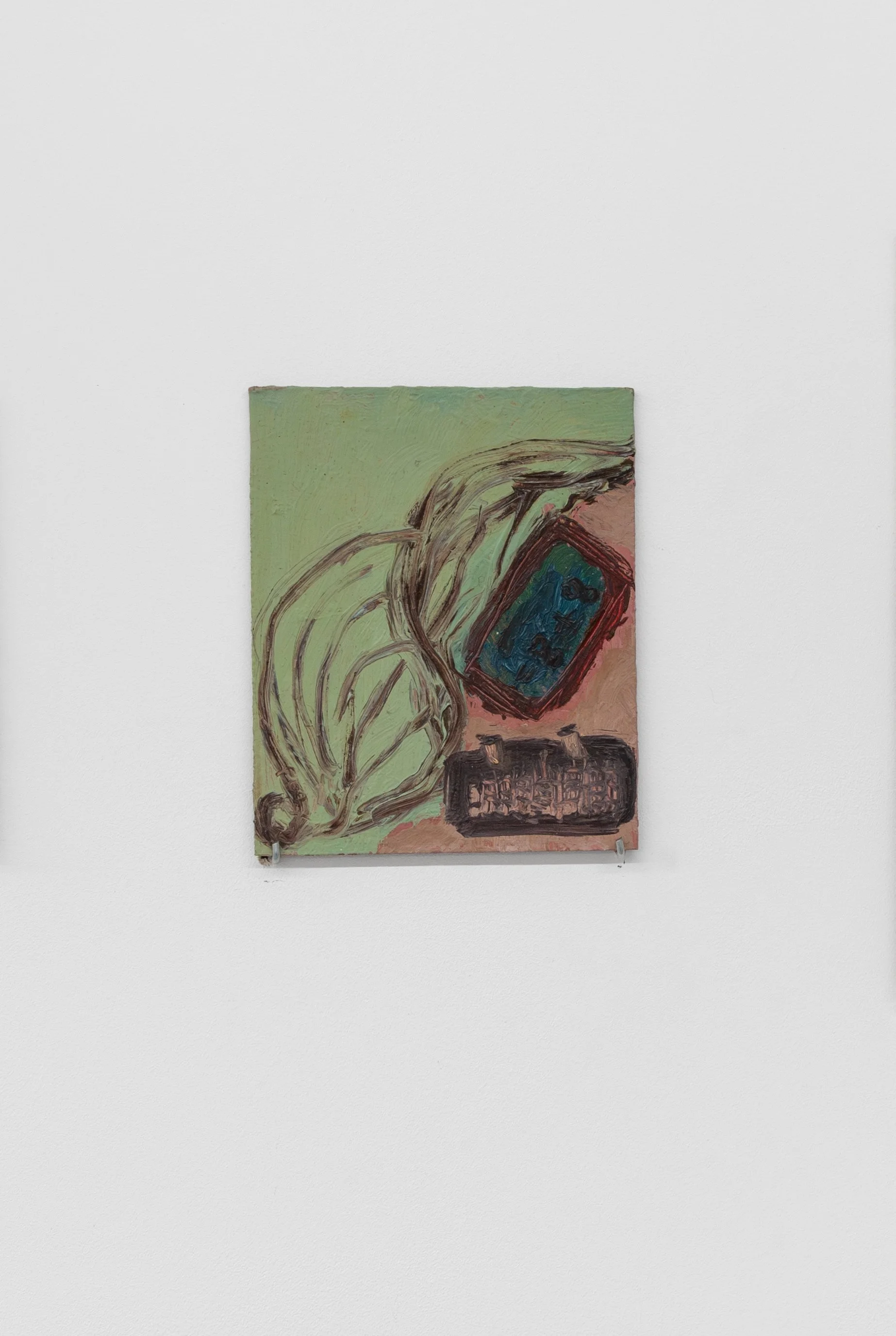
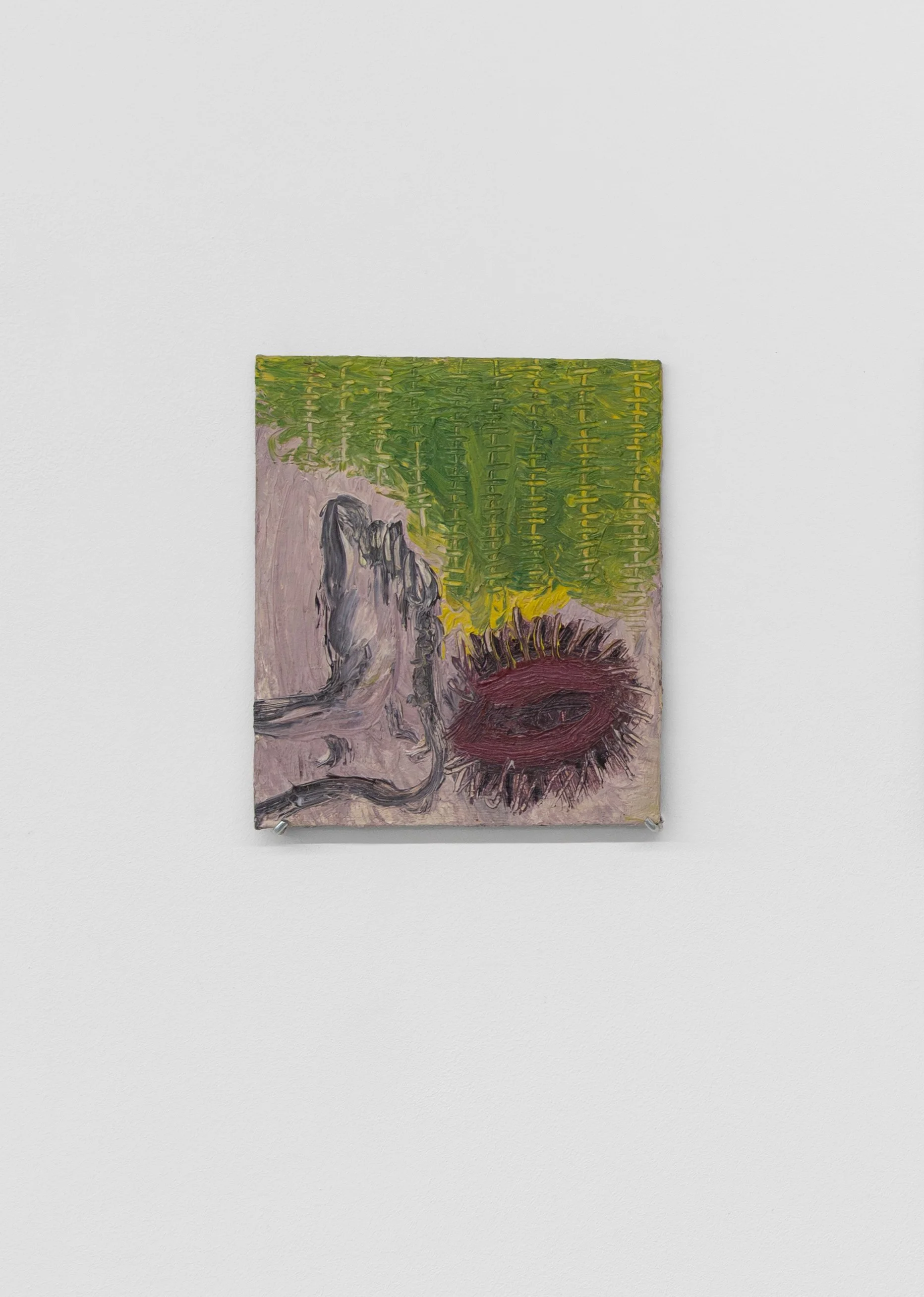
Partou’s ephemeral and uncanny paintings further expand this exploration of temporal memory. Drawing from childhood recollections, Persian miniature traditions, myths, literature, and art history, her work meditates on displacement, identity, and the slow, continuous work of becoming. Her brushwork shifts between urgency and calm, with spiralling passages of colour that seem to slip into one another, hinting at unseen layers of activity beneath the surface. This depth—both felt and perceived—is deliberate. As Zia noted, she sought not the solidity of form but “the essence of a memory; the sound of a feeling; the taste of a loss,” inviting viewers into images that hover between sensation and recollection, presence and absence.
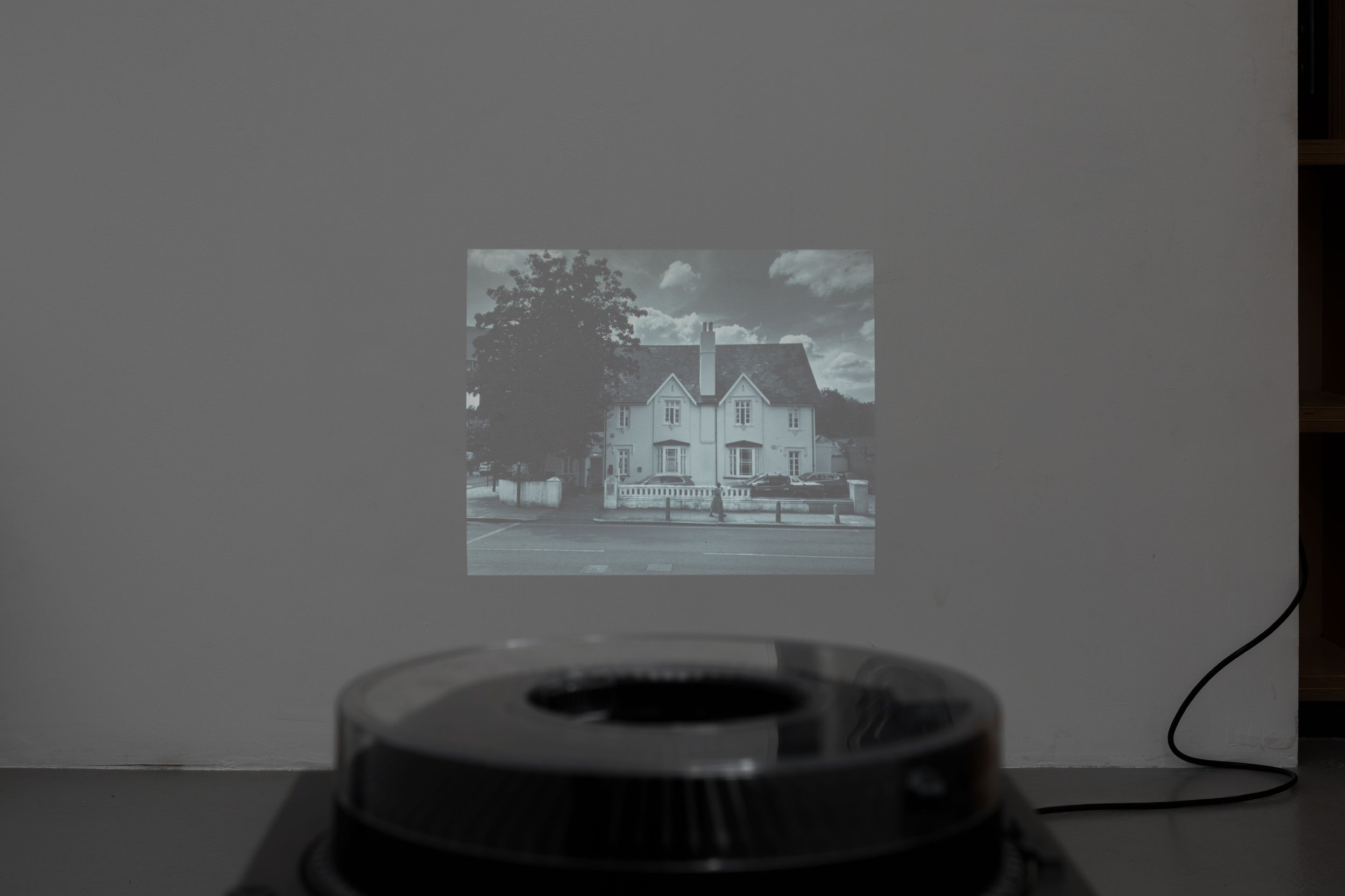
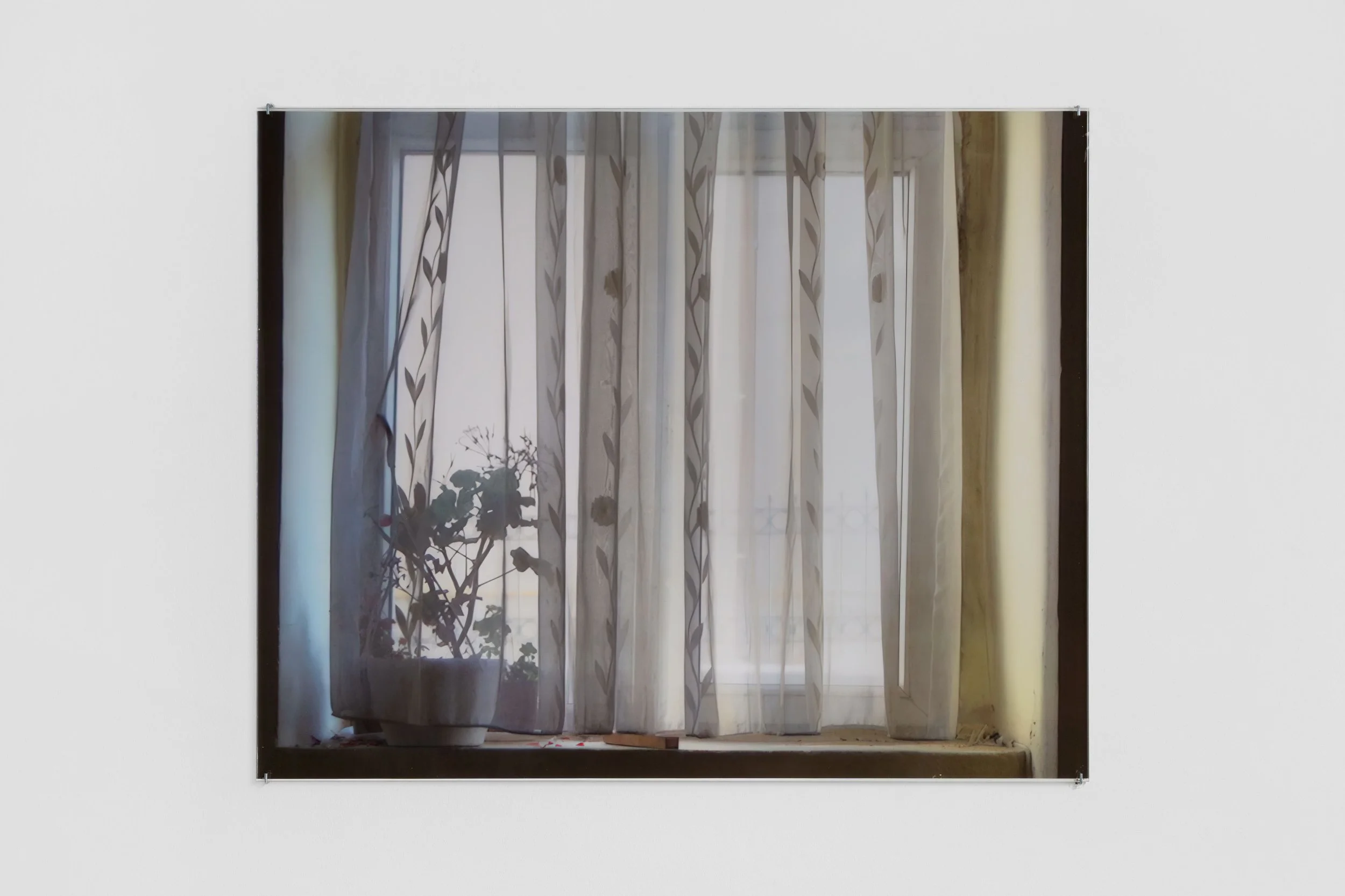
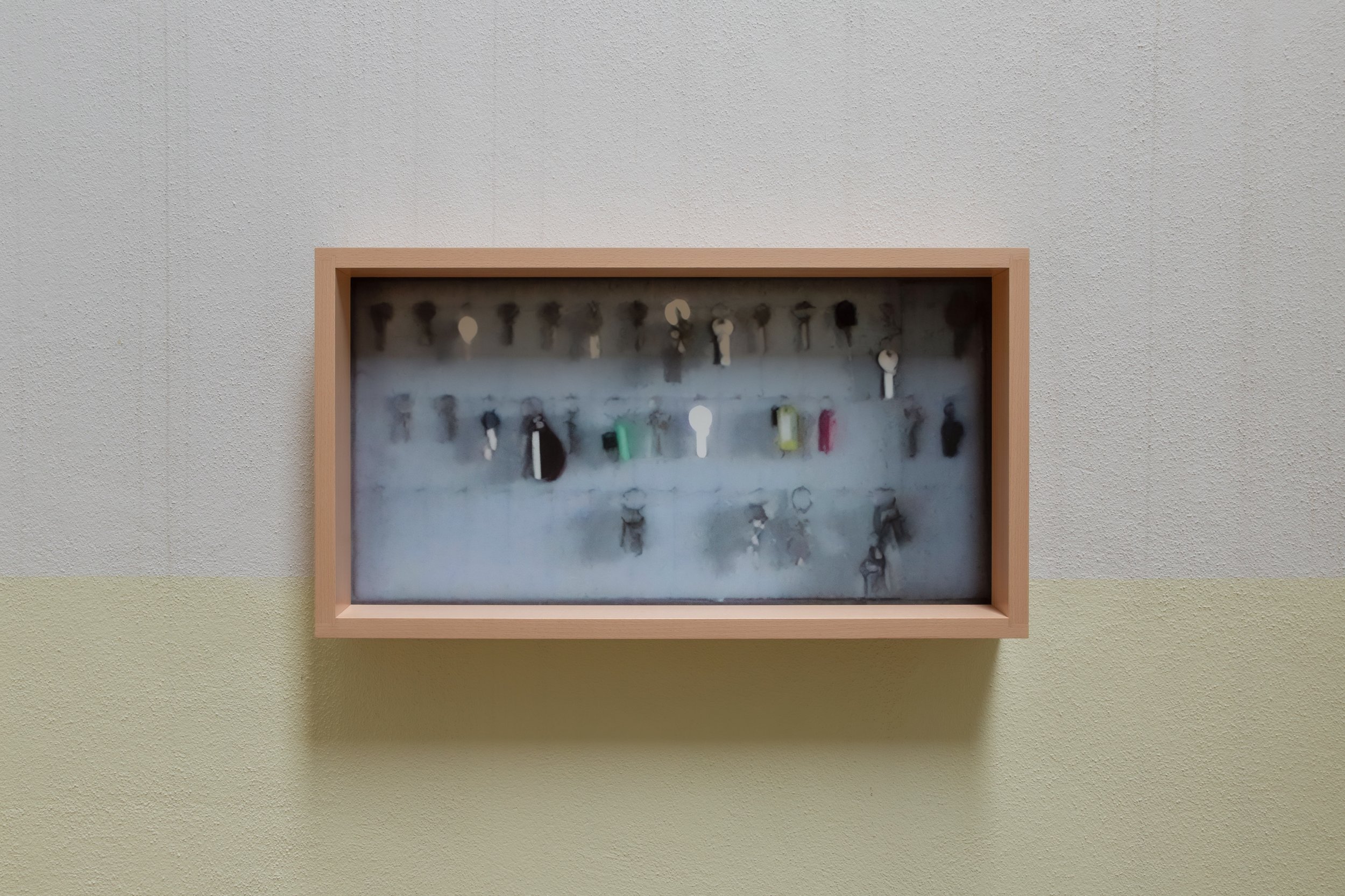
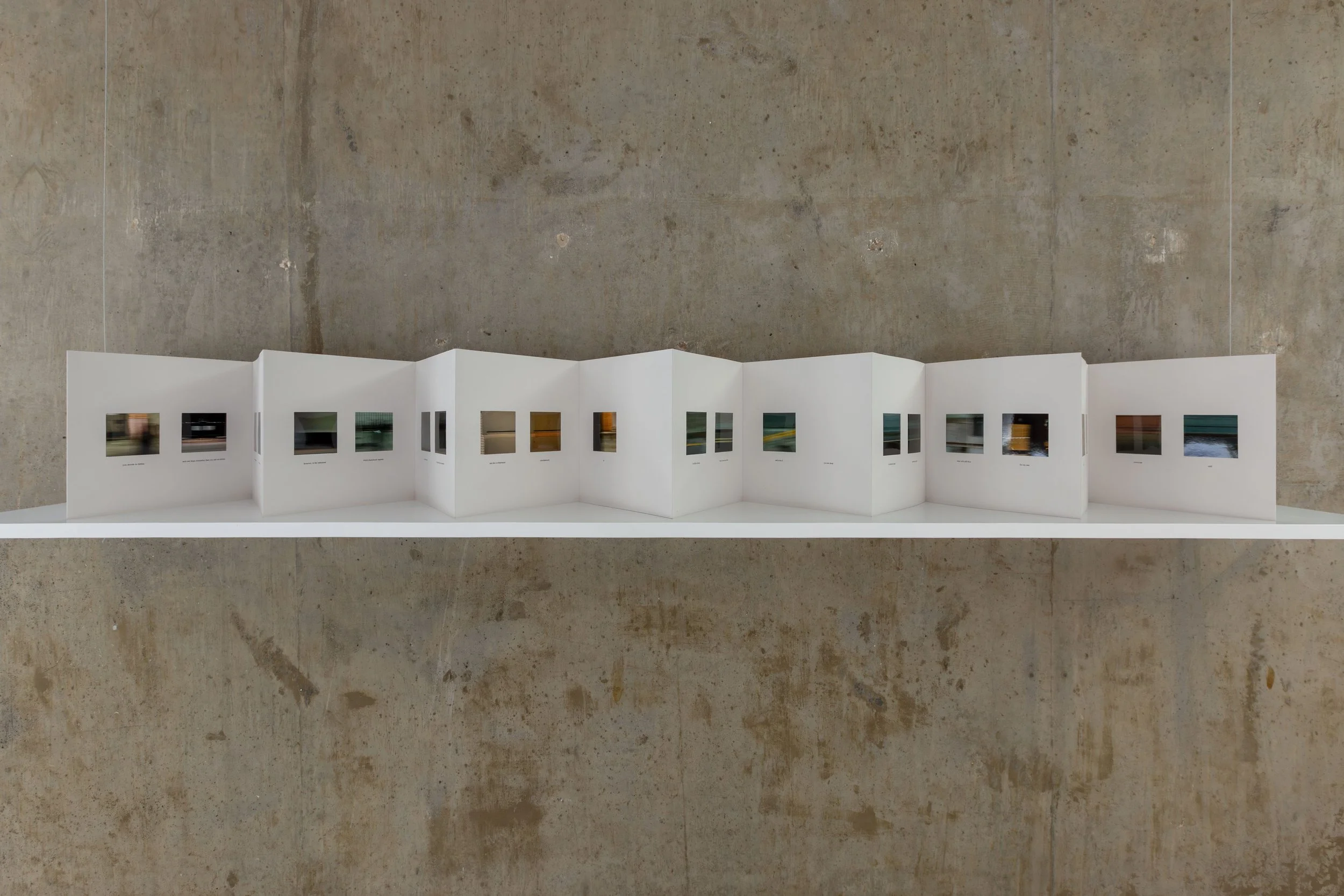
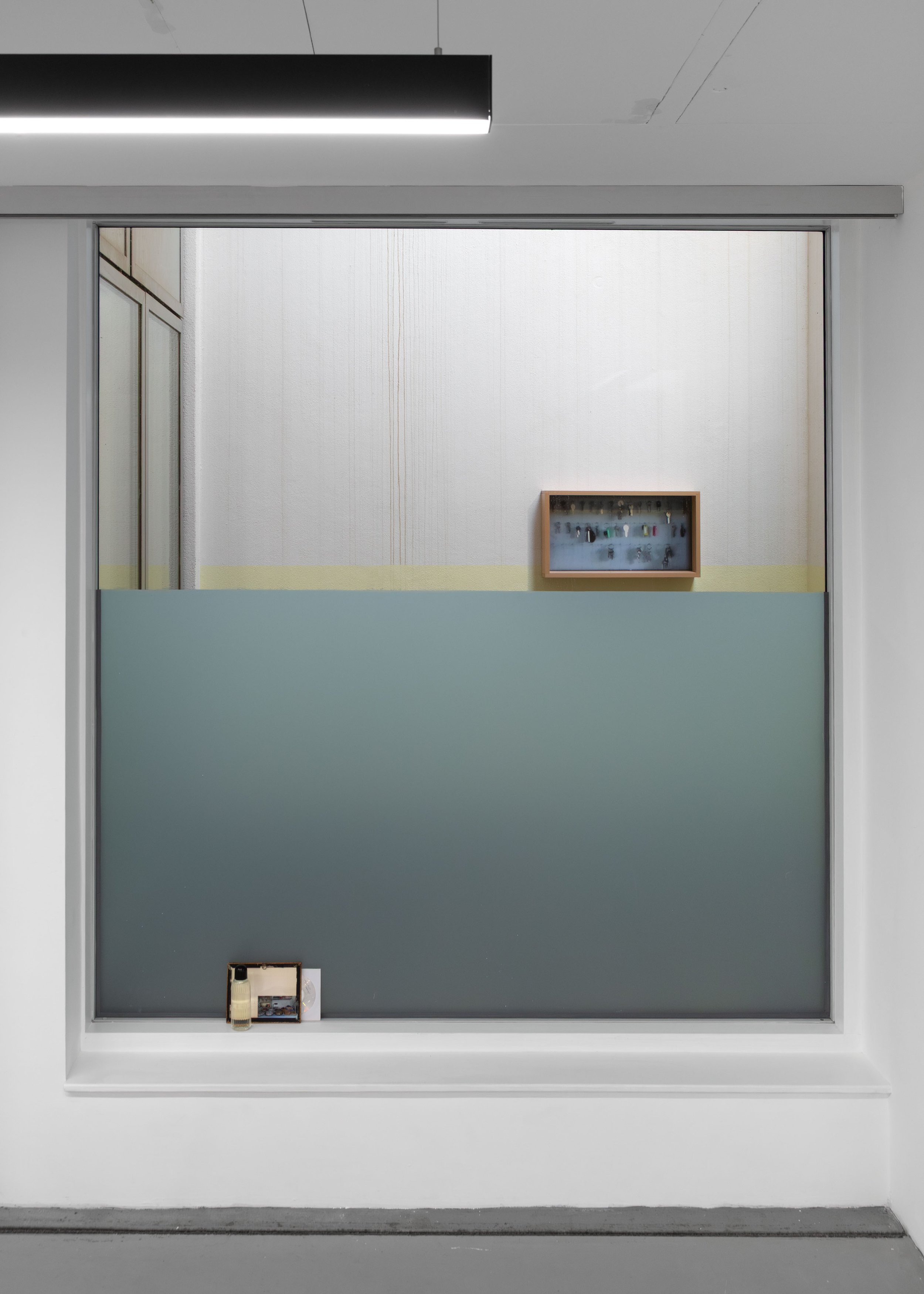
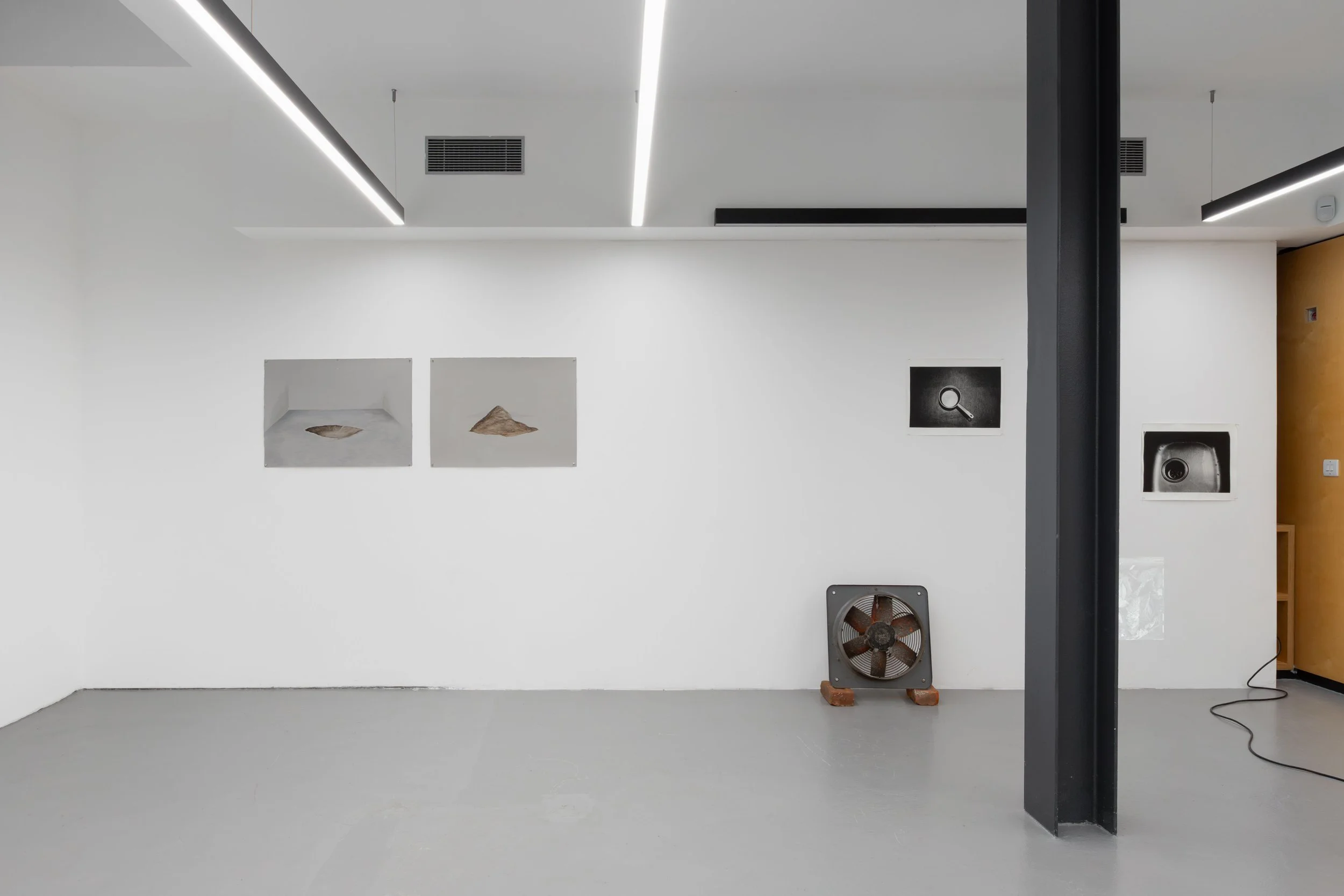
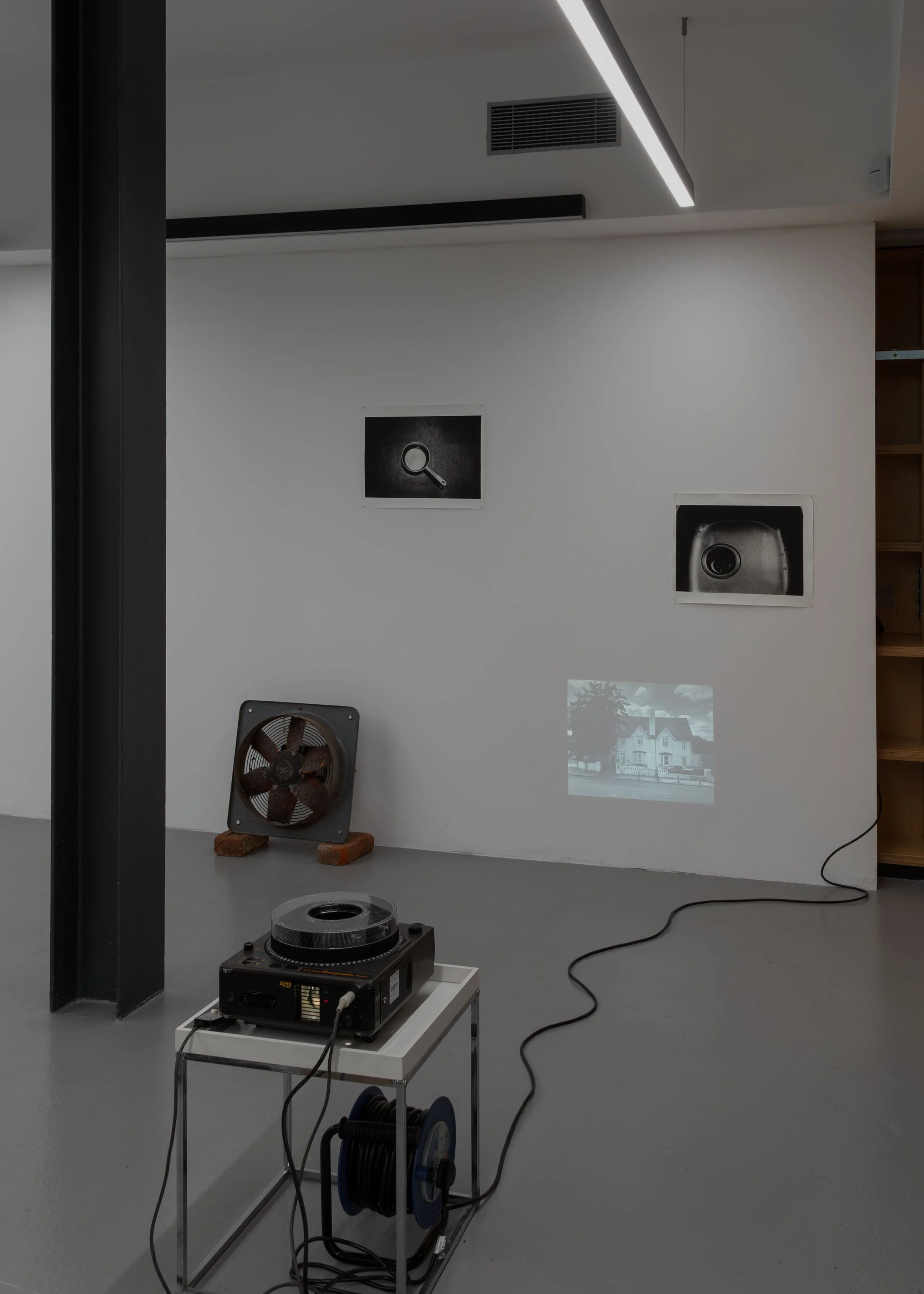
Dilara’s practice deepens the exhibition’s exploration of temporal atmospheres by examining how spaces are felt, remembered, and rendered beyond mere documentation. Moving fluidly between photography, text, installations, and performance, she creates derealised images that loosen the meanings of their subjects and dissolve the boundaries between object and environment. Her installation on the domestic and municipal spaces of Kars, Turkey, investigates how placehood is not fixed but continually shaped by mood, materiality, colour, and the presence of objects. Rather than producing isolated artworks, Dilara cultivates an ongoing process of thinking—an unfolding study of how spaces generate and are generated by time. Through her work, locality becomes a temporal field in which memory, observation, and atmosphere converge.
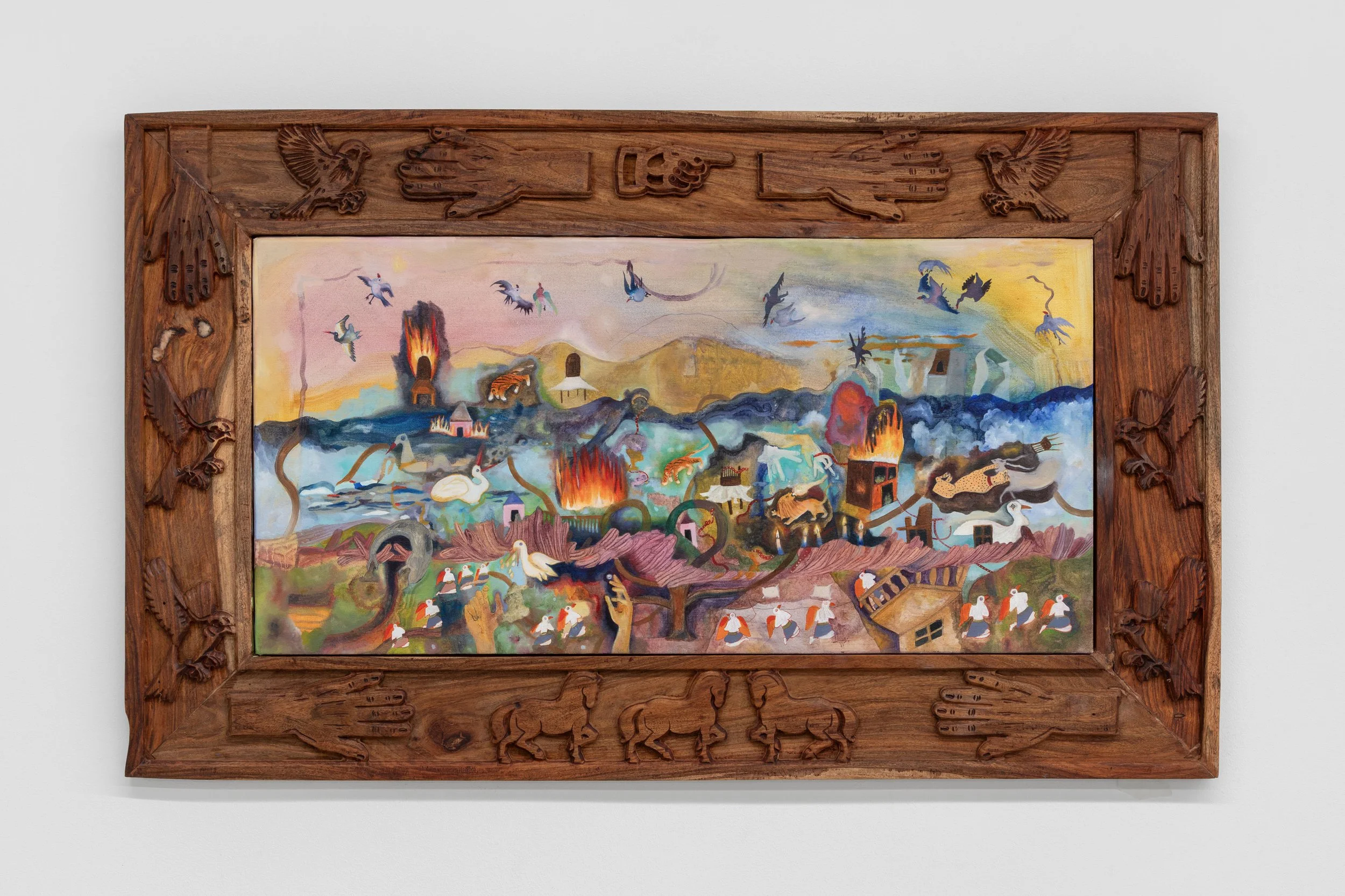
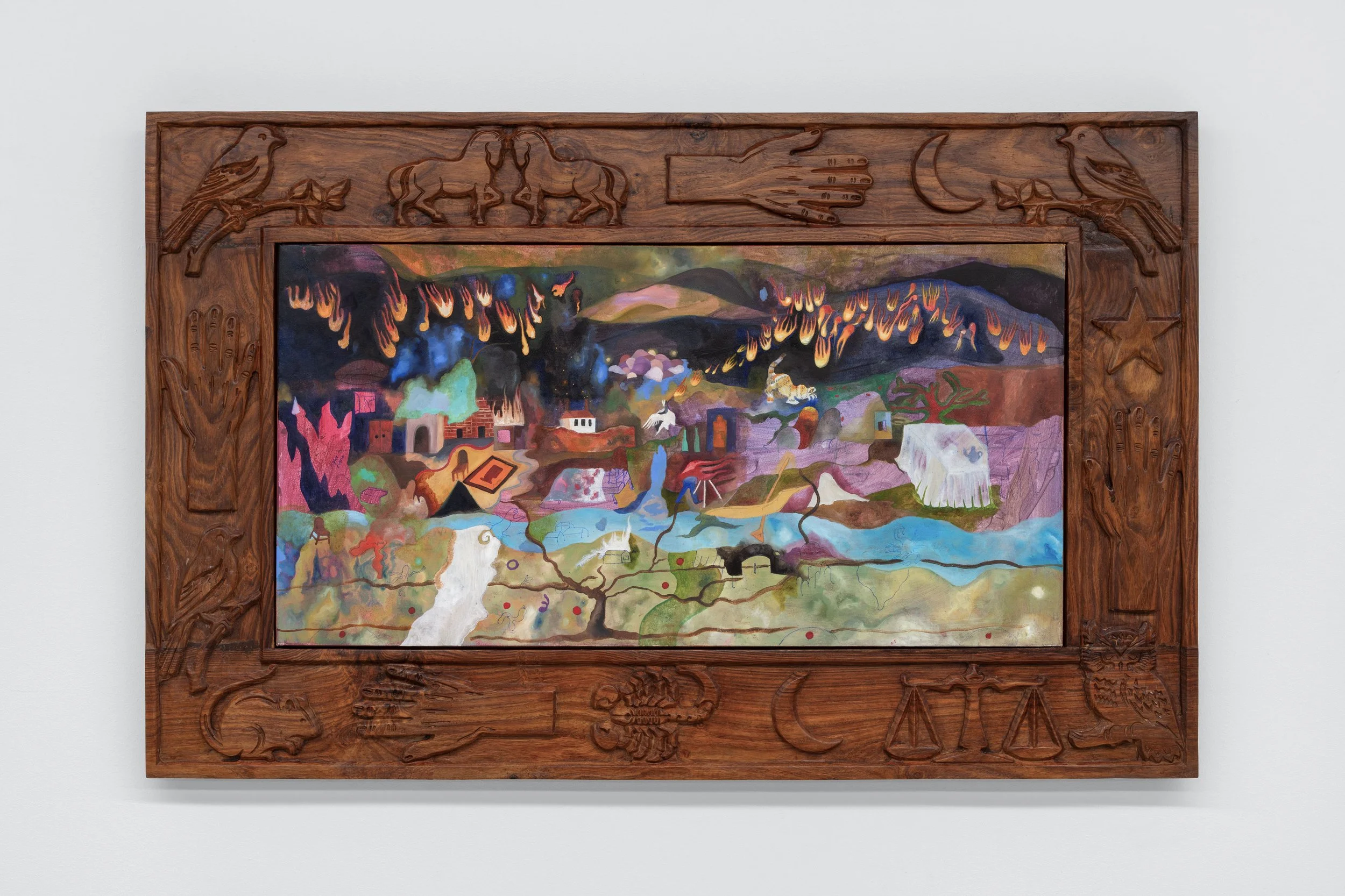
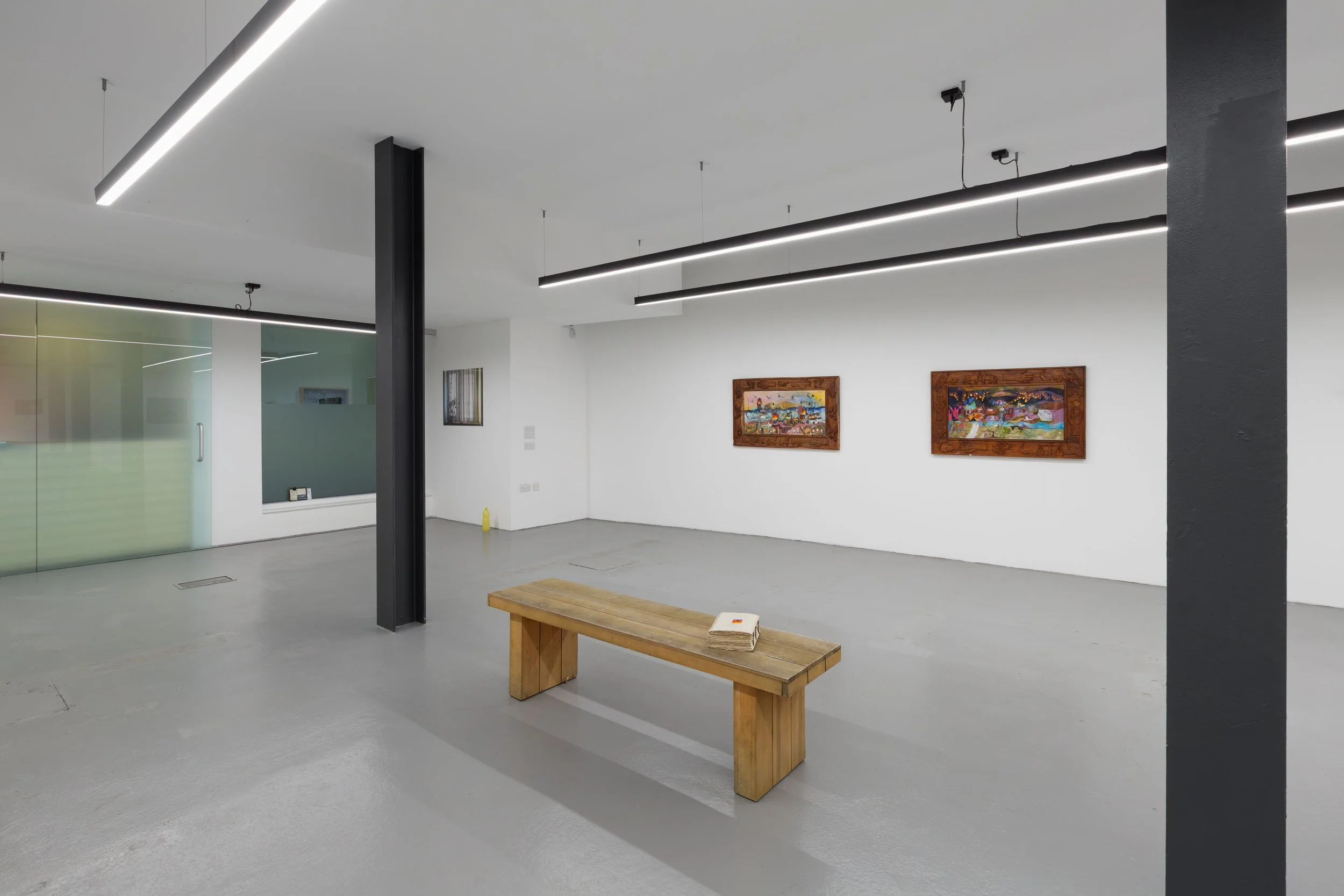
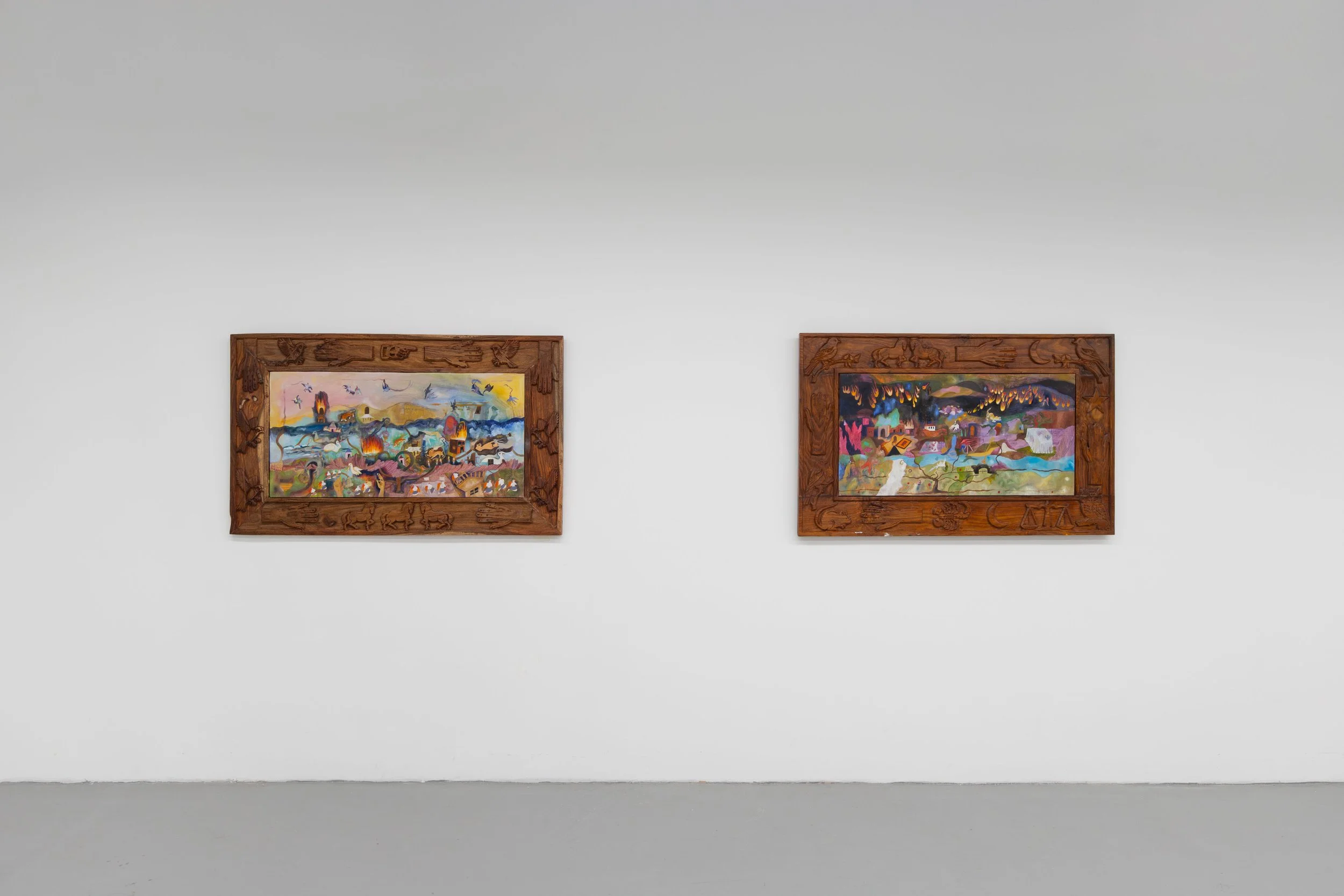
Noorain’s practice expands these temporal explorations into realms of myth, rupture, and suspended gravity. In Flames that fell into my pocket, a moment of slipping on a hill becomes a gateway into a world unbound by chronological logic. Endless skies, hand-shaped branches, and pockets of light give rise to a state of temporal suspension—a dialogue between mind and body where falling is impossible because neither beginning nor end exists. In Psychophony, inspired by a residency in Cornwall, collapsing houses and floating birds echo folklore about souls carried on wings, blurring the lines between comfort and haunting. Her motifs—tigers from childhood stories, dissolving flames, drifting structures—form an emotional cartography where fears and desires take material shape. Carved wooden borders, crafted from South Asian rosewood, operate as thresholds between histories, echoing miniature painting traditions and the narrative density of tapestries. A hand holding a pearl—becomes a symbol of suspended time, a story eternally being searched for, never fully discovered.
Extending this world further, The Curtain Rises offers a collaborative narrative dimension to Noorain’s exploration of mythic temporality. Written by Zarina Muhammad as a short story based on Noorain Inam’s paintings, it weaves their shared fascination with horror, surrealism, and folklore into the tale of a woman navigating an uncanny landscape while a magician follows at a distance. Hands, flames, and horses drift at the edges of the story, mirroring Noorain’s visual lexicon. In response to the text, the artist produced 150 small paintings compiled into a handmade archival book, creating a fragmented chronicle where image and text fold into one another. This collaboration becomes a temporal braid—words becoming images, images returning to narrative—expanding the sense of a story perpetually unfolding.
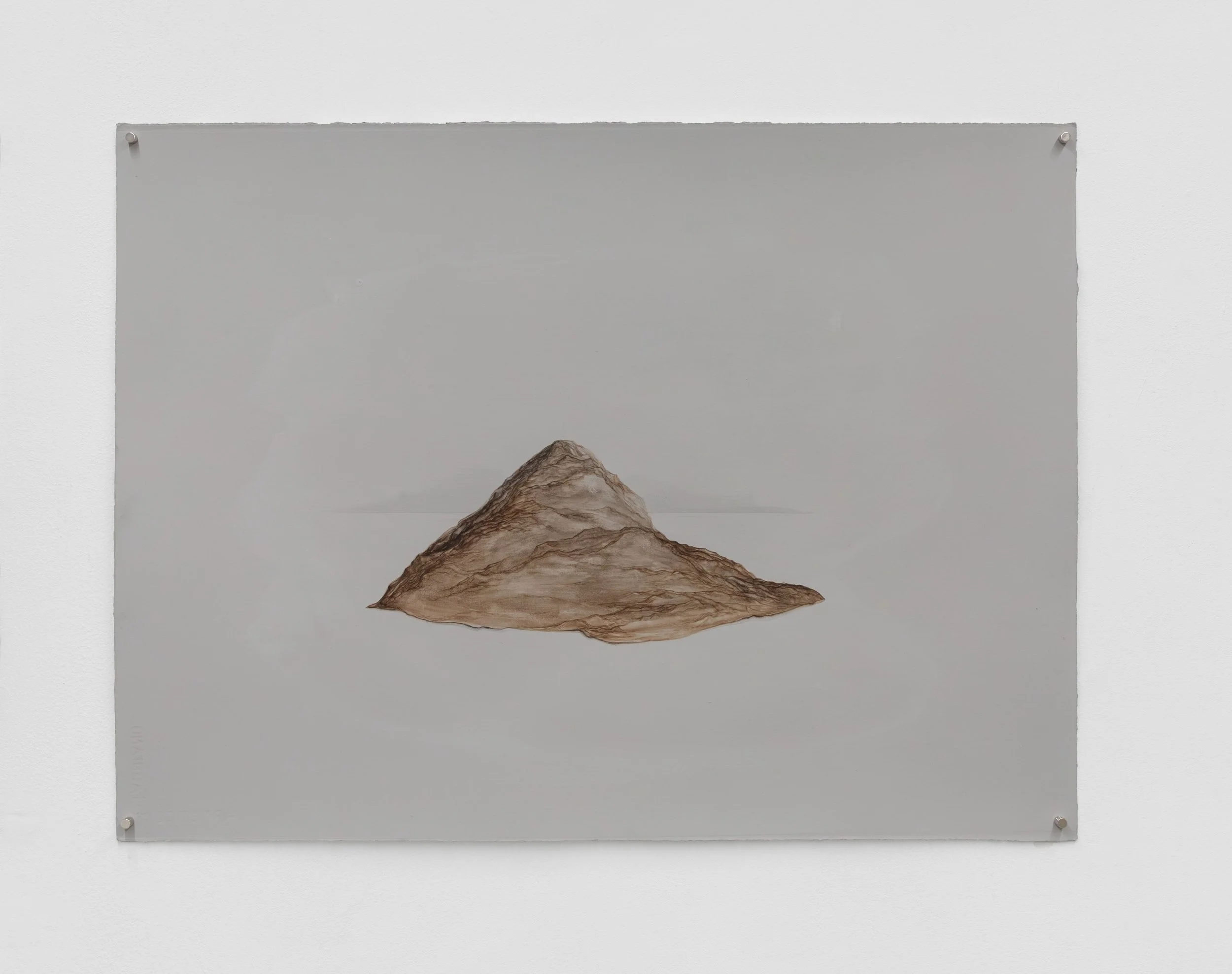
Mumbai-based Prajakta Potnis approaches time through the socio-material rhythms of care and sustenance. During her residency in London, she studied charity shops and community kitchens as fragile infrastructures that hold communities together. Her research into post-war communal kitchens traces how food aid has transformed across decades, revealing networks of distribution and a fragile, overworked body. Through drawings, sculptures, and moving image, Potnis traces these circulations of care—how nourishment flows and falters, how aid is materialised and metabolised. Her work reveals a temporal logic shaped by survival and generosity, where the passage of time is measured not in hours but in acts of feeding, giving, and sustaining.
Finally, Samir’s An open tin of sardines transforms the surface of painting into a site of rupture and revelation. Stretched, folded, slashed, and creased, the canvas resists the flatness of traditional form, embodying tension between containment and exposure. Layers of ochre, red, and turquoise frame fractured harlequin patterns, inviting viewers to peer beneath the torn edges and shifting shadows. The absence of the sardines—likely eaten—becomes a quiet reminder of what time consumes and what traces it leaves behind. In this way, the work collapses the before and after of the object’s life, turning the painting into a living body whose folds hold the memory of touch, force, and material transformation.
Across these diverse practices, Multiple Times reveals that time is not a fixed continuum but a field of multiplicities—experienced through bodies, landscapes, rituals, and stories. The artists gathered here invite us to inhabit these shifting temporalities: to see how the past persists in reflection, how the present unfolds through metamorphosis, and how future possibilities flicker through acts of creativity, care, and myth-making. In Multiple Times, time does not progress—it expands, fractures, coils, and returns.
SELECTED WORKS


INSTALLATION VIEWS
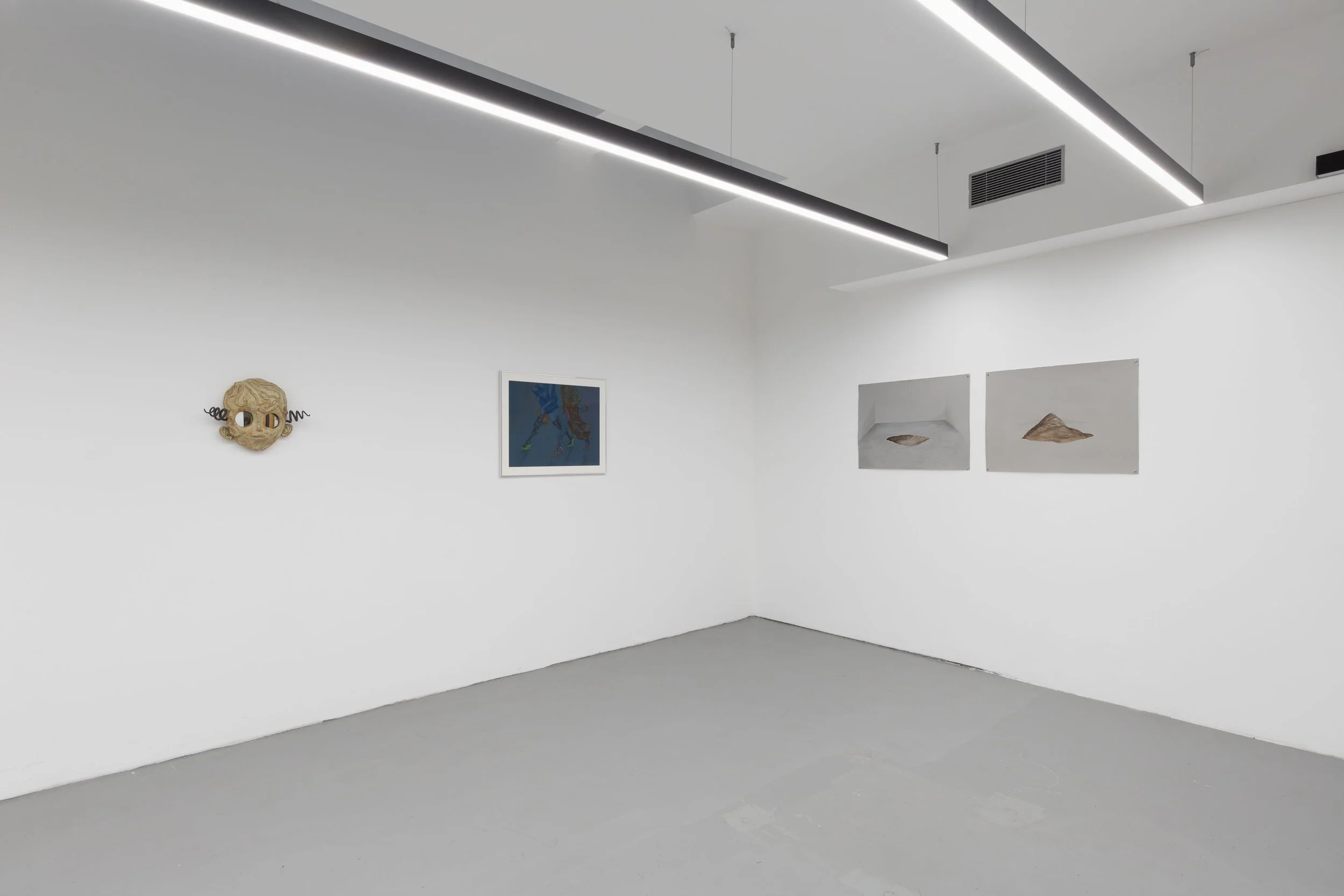
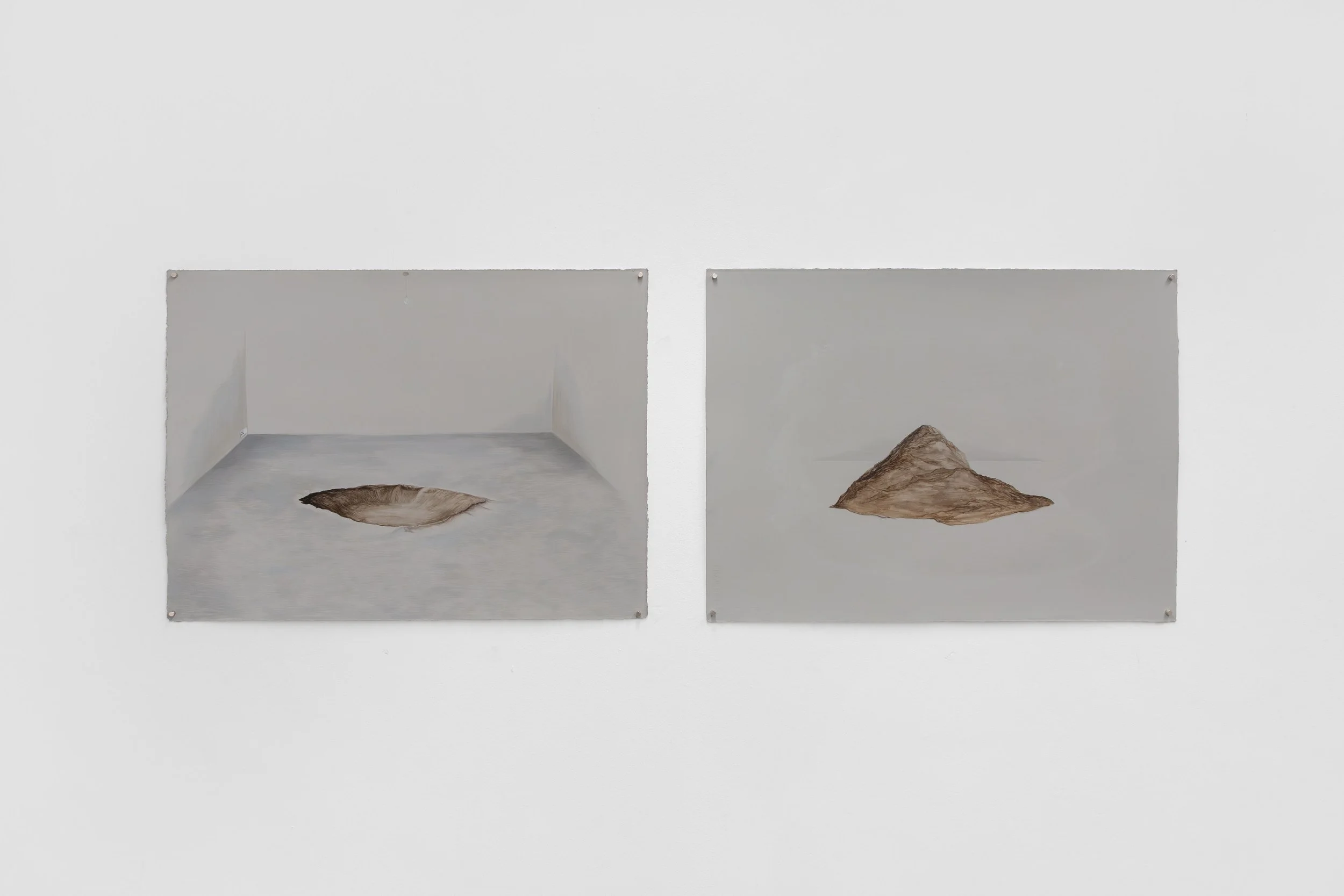
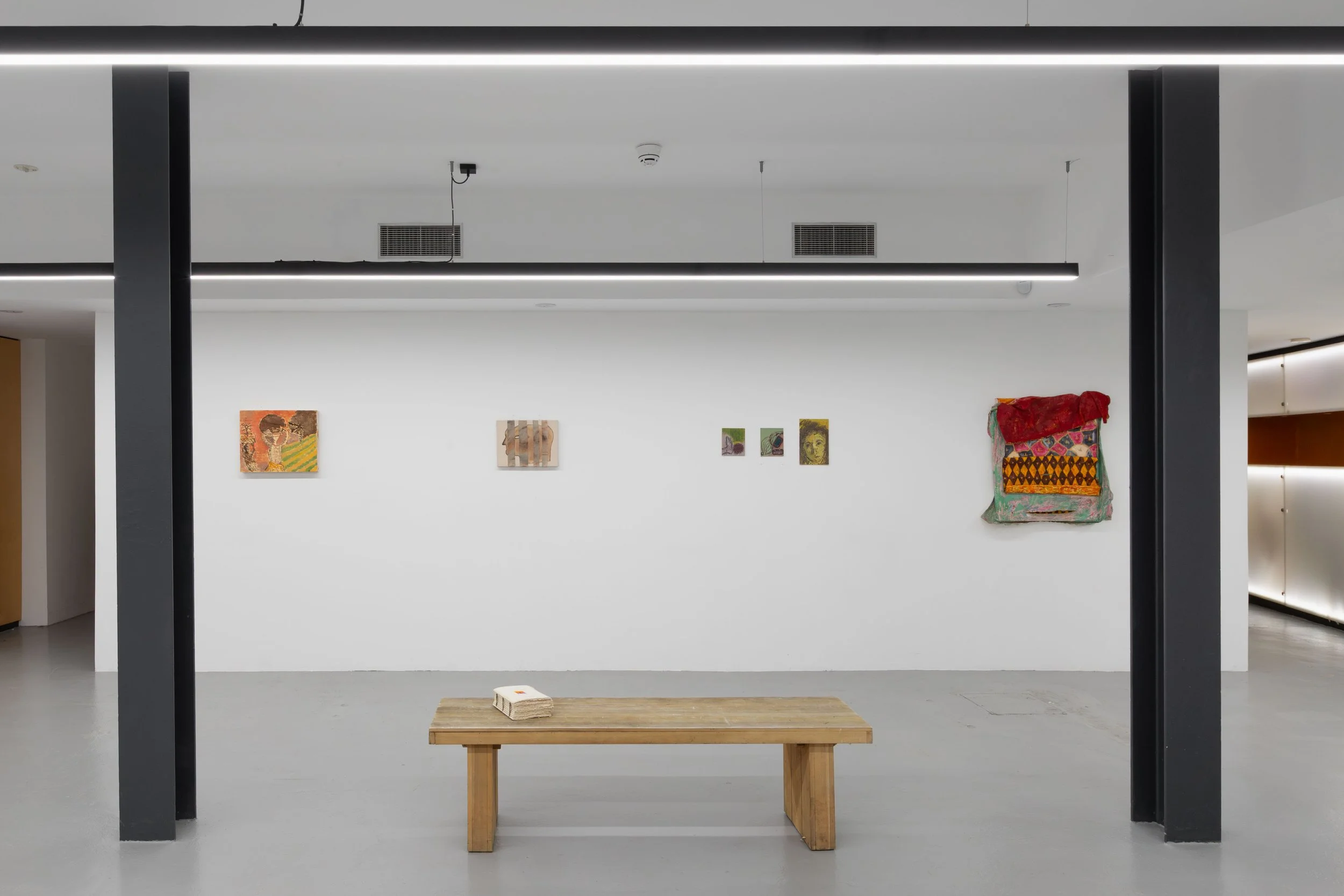
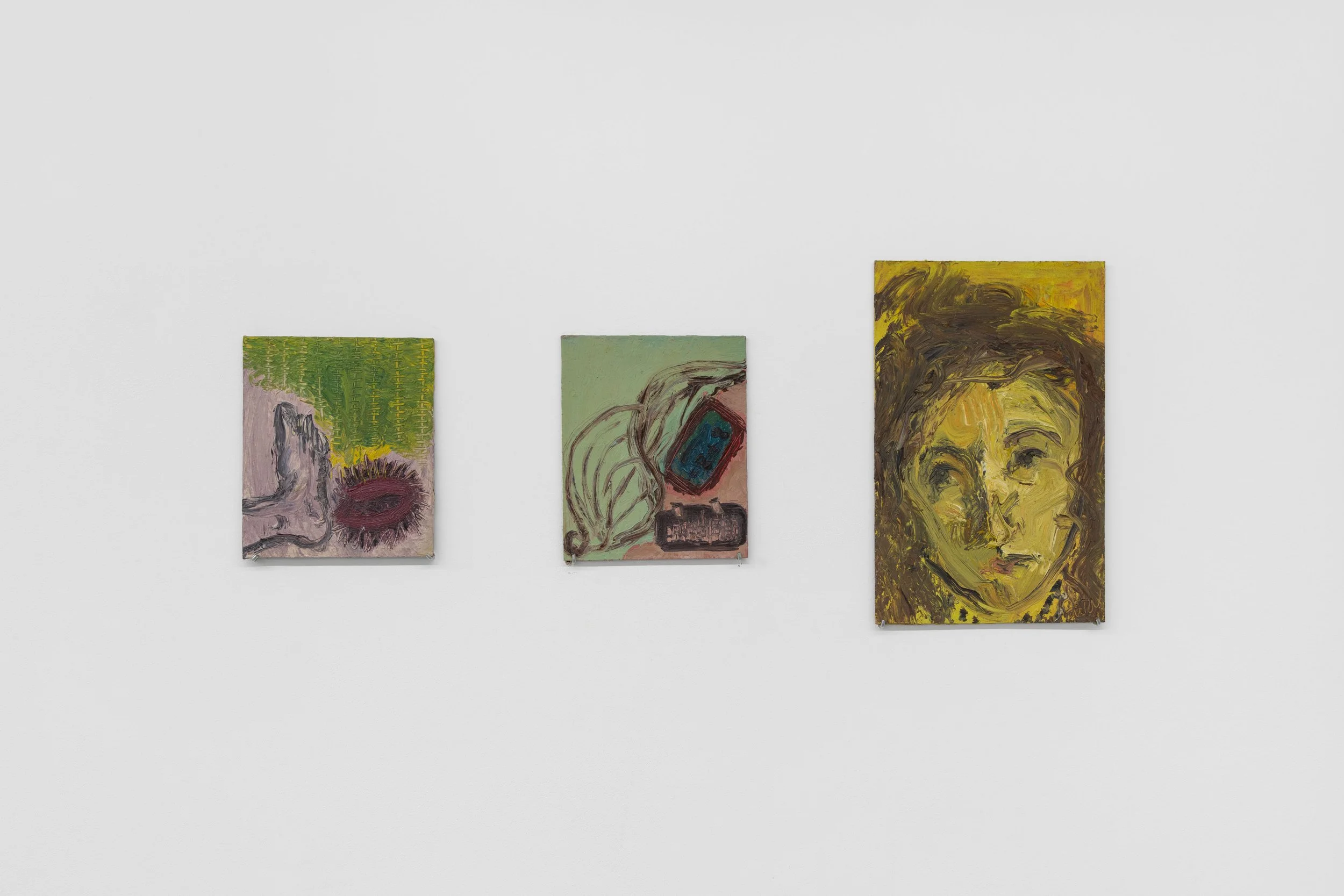
Saelia Aparicio
Saelia Aparicio has exhibited internationally, with solo and group presentations at institutions such as Goldsmiths CCA, Thyssen-Bornemisza Art Contemporary, MUSAC, Bold Tendencies, and TBA21. She is currently participating in the Ljubljana Biennial and has a solo exhibition at the Baltic Centre for Contemporary Art, with a further solo show forthcoming in spring 2026. Aparicio has received support from Generaciones 2019, the Henry Moore Foundation, Fundación Montemadrid, Arts Council England, The Foundation Foundation, and the British Council. Residencies include the Porthmeor International Residency (St Ives, UK) and the SEMA Nanji Residency (Seoul, South Korea). Her work is held in the Arts Council Collection, MUSAC, and TBA21.
Noorain Inam
Noorain Inam will present her first institutional solo exhibition at Falmouth Univerity Gallery, in March 2026. Recent exhibitions include We Sinful Women: The Library Project, SOAS Library, London, 2025; Lattice structure of space-time (Indigo+Madder, London, 2024); Go back to sleep, it’s just the wind (Indigo+Madder, London, 2024); Prophetic Dreams (Kutlesa Gallery, Switzerland, 2024); A dream that visited every night (Indigo+Madder, London, 2023); and Shining Light, Bloomsbury Festival Prize Winner Presentation (London, 2021). She received the Wilhelmina Barns-Graham Residency Award for Emerging Artists (2023), which included a residency at Porthmeor Studios, St Ives.
Dilara Koz
Dilara Koz’s work has recently been included in group exhibitions and book fairs such as The Luster (Vitruta, London); Border_less (YKKSM, Istanbul); Missing Objects (Fuorisalone, Milan); The Echo Chamber (Deptford Town Hall, London); Lattice Structure of Space-Time (Indigo+Madder, London); Bound Art Book Fair (Whitworth, Manchester); I Never Read (Kaserne, Basel); and Proem (Glogau_Air, Berlin). Her publications are held in the Special Collections of the Bodleian Libraries, Oxford.
Zarina Muhammad
Zarina Muhammad is an art critic from and based in London. She runs the White Pube (with her collaborator, Gabrielle de la Puente) where they publish reviews and essays about art, exhibitions and culture at large. You can find them at thewhitepube.com or on Instagram at @thewhitepube. Their debut novel, Poor Artists, is out now.
Kentaro Okumura
Kentaro Okumura was the youngest artist featured in On feeling, curated by Peter Davies at The Approach, London (2024). His forthcoming exhibitions include Regions at Hales, London (2025) and his first London solo exhibition at Vardaxoglou (April 2025). Additional exhibitions include Symptoms of Painting (Gathering, London, 2025) and Chorus of the Dangled (Vacancy, Shanghai, 2025). He was profiled in Nancy Durrant’s The Evening Standard article “Meet the most exciting young artists in London right now” (2024).
Anousha Payne
Anousha Payne’s recent exhibitions and presentations include The small things from the lowest land (Newchild Gallery, Antwerp); a solo presentation at Liste Art Fair with Sperling Gallery; and Murmurations, a solo exhibition curated by Anlam de Coster at Zeyrek Çinili Hamam. She has exhibited with Sperling at Paris Internationale and completed a sculpture commission for York Art Gallery’s permanent collection. Payne is currently undertaking a residency at the Cité Internationale des Arts, Paris.
Prajakta Potnis
Prajakta Potnis’s solo exhibitions include A Body Without Organs (Project 88, Mumbai, 2020); When the wind blows (Project 88, Mumbai, 2016); The Kitchen Debate (Künstlerhaus Bethanien, Berlin, 2014); Time Lapse (The Guild, Mumbai, 2012); and Porous Walls (The Guild, Mumbai, 2008). Her work has been widely shown internationally, including participation in Thinking Historically in the Present for the 15th Sharjah Biennial (2023). Other group exhibitions include Imaged Documents (Rencontres d’Arles, 2022); the slow burn (New Media Art Space, CUNY, 2021); Towards Mysterious Realities (Taipei, 2017); the Gwangju Biennale (2016); After Midnight (Queens Museum, New York, 2015); Kochi-Muziris Biennale (2014); Kadist Art Foundation (Paris, 2013); and the 2nd Transnational Pavilion at the Venice Biennale (2013).
Samir Salim
Samir Salim’s work has been exhibited in two group shows at HOME, Manchester. A graduate of the Royal College of Art and Manchester School of Art, Salim’s practice spans painting and sculpture.
Partou Zia (1958–2008)
Partou Zia’s work has been exhibited at Tate St Ives, where she was the inaugural recipient of the Porthmeor Studios residency initiated in 2003, accompanied by the exhibition and catalogue Entering the Visionary Zone. She later held a studio at Trewarveneth Studios (from 2007). Her work is currently on view at Tate Britain in Modern and Contemporary British Art: The State We’re In: 2000–Now as well as at Tate St Ives. Zia’s work is in the collections of the British Museum, Cambridge Women’s Art Collection, and the University of Warwick Art Collection.
To request a catalogue or receive further information, please get in touch: info@indigoplusmadder.com
Apotropaic reflection, 2025
Stoneware, glace, covex mirror, wrought iron, cork, milliput
32 x 41 cm